A Structured and Reflective Approach to Teaching Observation in the IB Context
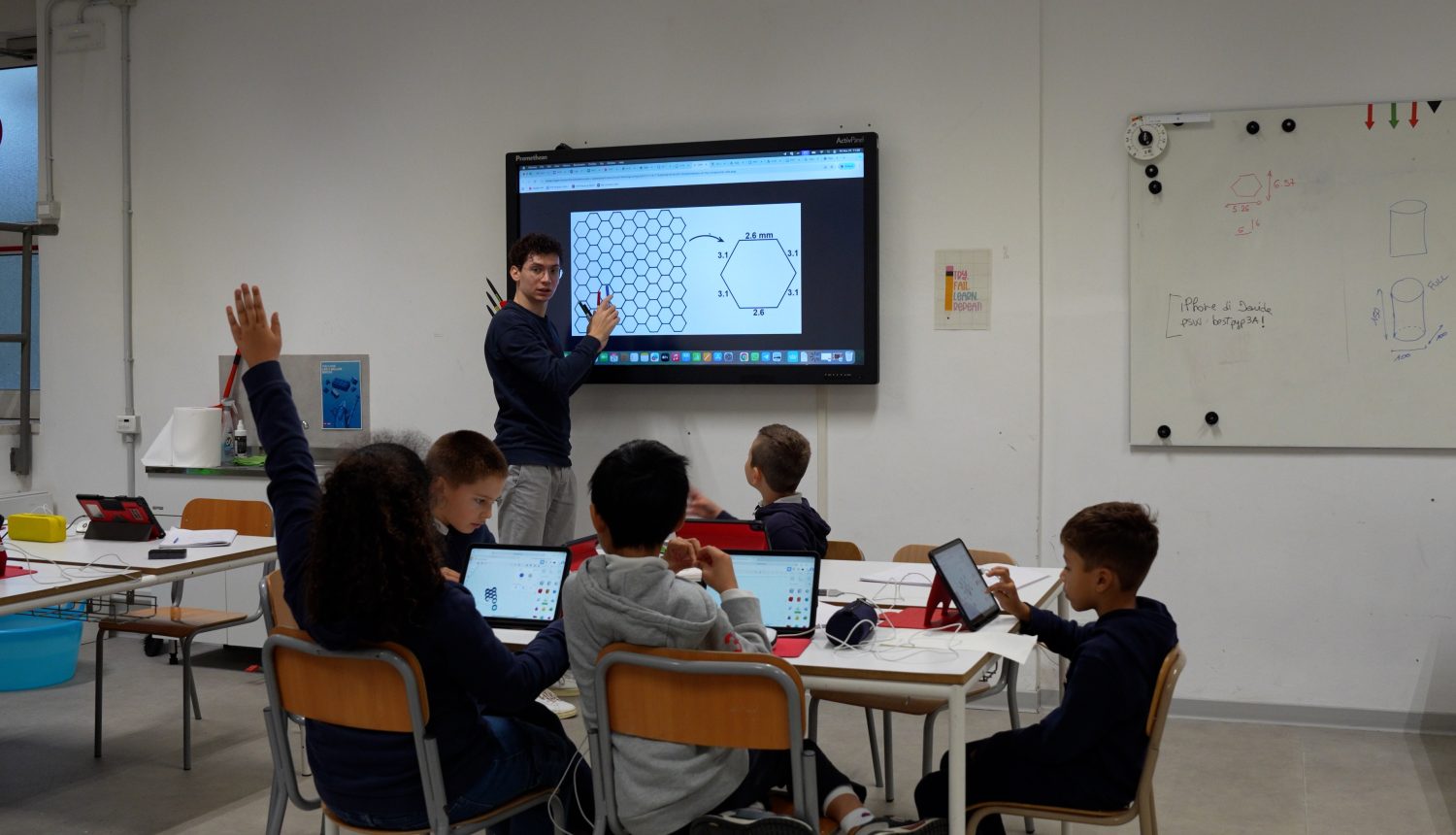
The quality of teaching, and consequently of learning, lies at the heart of our understanding of school. It is a living process, built over time through reflection, dialogue, and continuous improvement. Within this perspective, our school has developed a structured model for observing teaching practices, organised into two phases in Primary School and expanding to three phases in Middle School and High School. The model is designed to support teachers and to ensure a coherent, stimulating, and student-centred teaching, and therefore learning, environment.
Lesson observation is part of a well-articulated annual process that includes multiple moments and different approaches. Scheduled lesson observations represent the first step: teachers are informed in advance, and the observation covers an entire lesson. The focus is on key elements of IB Teaching and Learning, such as clarity of objectives, classroom management, the use of active learning strategies, references to concepts and global contexts, student engagement, and feedback practices. The evidence collected is then shared during a professional dialogue, aimed at reflection and professional growth.
When needed, the process may also include short drop-in observations focused on specific aspects of the learning experience. These moments allow for the observation of targeted dynamics and provide teachers with concrete and timely feedback, always within a constructive and supportive framework.
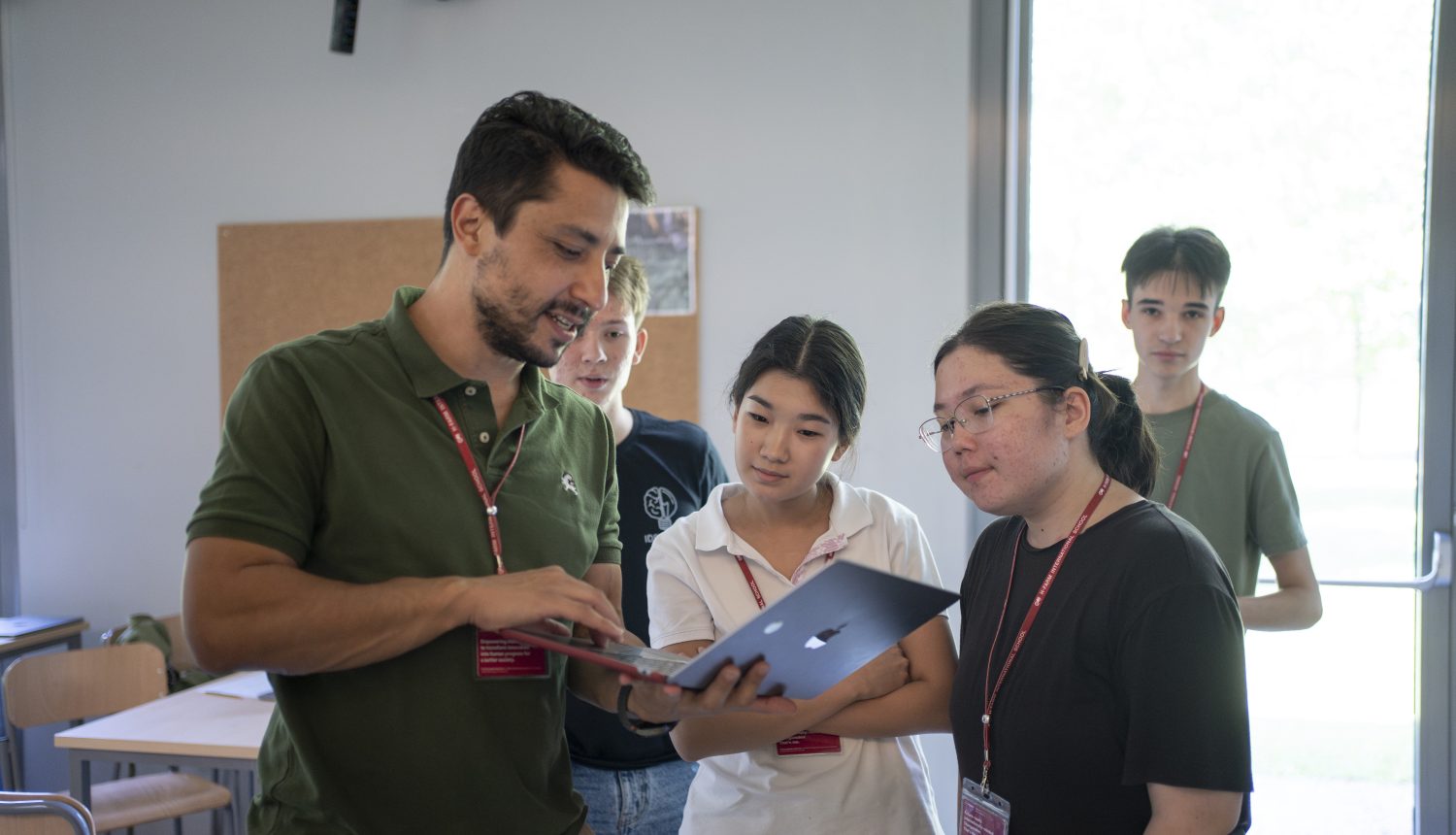
A second essential phase is represented by peer observation, during which teachers observe their colleagues’ lessons, preferably across different departments. This approach encourages the sharing of best practices, broadens perspectives on student learning in different contexts, and strengthens a culture of shared professional learning. The reflections that emerge contribute to the dissemination of effective strategies within the school community.
The process is completed with learning walks: short, recurring observations that take place during the final part of the school year. These help maintain a strong focus on specific teaching priorities, supporting coherence, quality, and continuity over time.
Through this model, the school reaffirms its commitment to a reflective, transparent educational practice aligned with IB values, in which the improvement of teaching is a shared responsibility in the service of student learning.



 Back
Back

