Safer Internet Day: Navigating Artificial Intelligence
Each year, Safer Internet Day invites us to pause and ask ourselves an essential question: what kind of digital citizens do we want to be? At a time when artificial intelligence is redefining how we learn, communicate, and build knowledge, this question is no longer secondary. It is central.
For us at H-FARM International School, talking about online safety does not simply mean preventing the risks of the web. It means educating for freedom. Because true safety does not arise from control, but from awareness. Not from avoiding technology out of fear, but from understanding it and learning how to govern it.
We are living inside a digital cyclone. AI generates texts, images, solutions; it suggests answers, guides choices, and amplifies possibilities. It is a powerful, transformative force. But like any force, it can be dispersive or constructive depending on who is steering it. To navigate this constantly shifting sea, technical skills are not enough: we need a compass and a helm. We need knowledge, awareness, and critical thinking. This is the message that informs every educational choice we make.
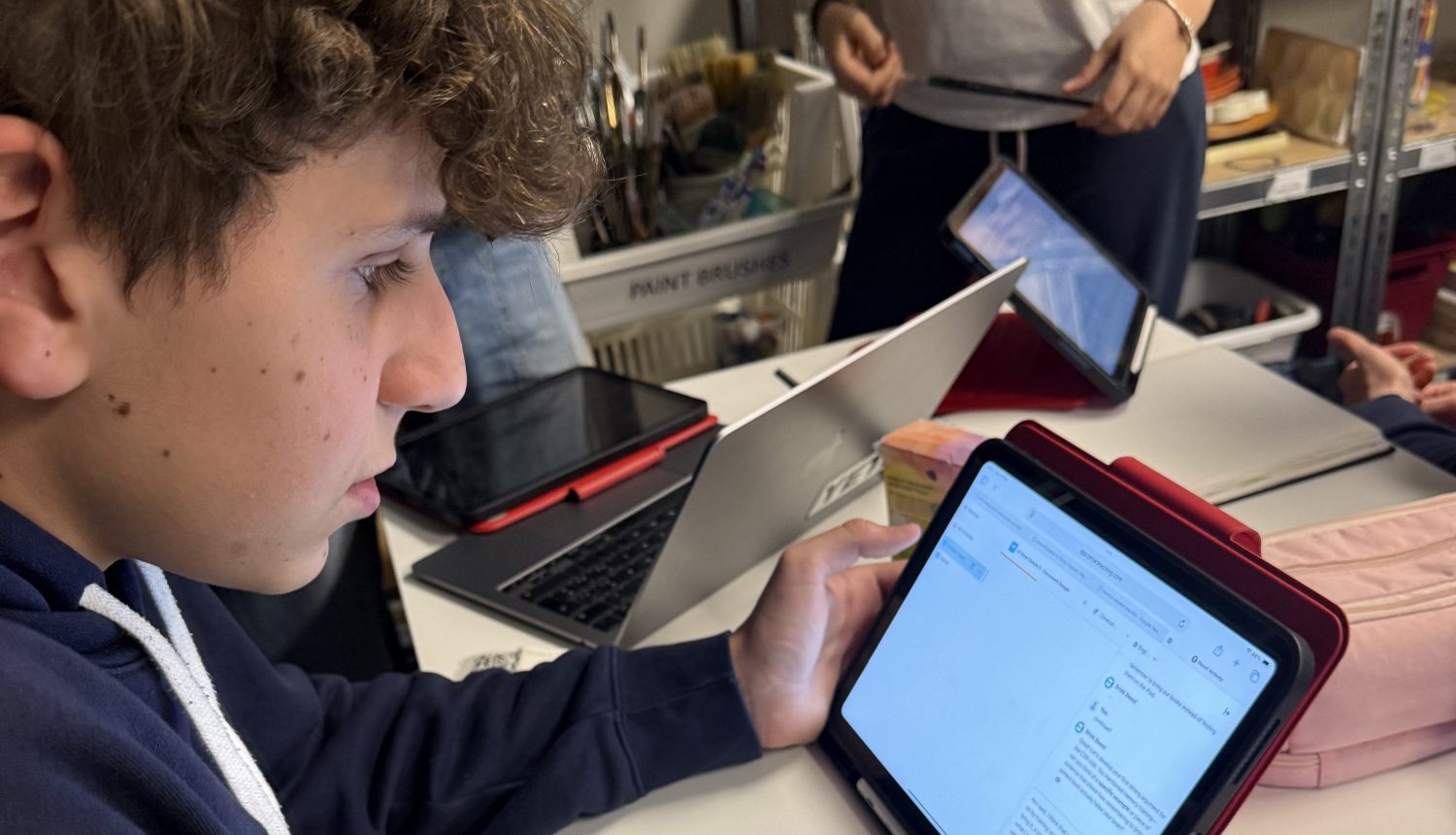
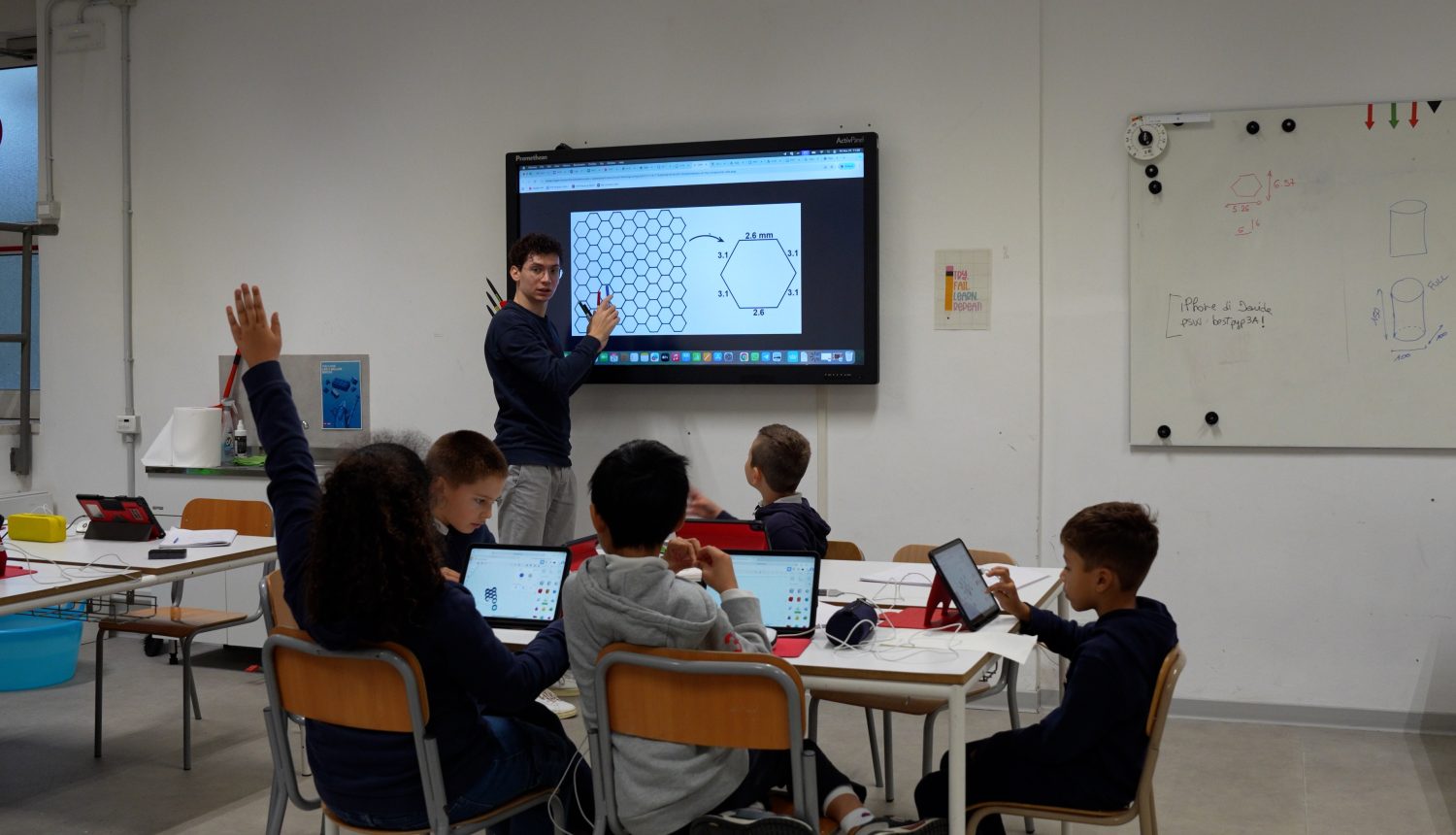
On the occasion of Safer Internet Day, the Lower Secondary classes at H-FARM International School Rosà explored topics related to digital citizenship through video lessons from the Common Sense Education platform. Students reflected on who they are online, how to recognize reliable sources, how to find balance in the digital world, how to manage their presence on social media, and how important it is to be mindful of what they share.
When we talk about digital identity, we are not simply asking students to “be careful.” We are inviting them to understand that every online choice contributes to defining who they are. When we analyze the credibility of news, we are training minds capable of distinguishing facts from opinions, evidence from narratives. When we reflect on balance in device use, we are teaching students to manage time and attention, the most precious resources of the digital age.
And when we step into the realm of artificial intelligence, we do so with the same mindset: curiosity, openness, responsibility.
The Lower Secondary 3 class, for example, engaged in a debate with AI starting from provocative statements such as “Digital books are better than printed ones” or “Using AI to study makes students less creative.” This was not a simple technological exercise. It was a dialogue. A training in doubt. An opportunity to engage with different perspectives, to argue, to change one’s mind or strengthen it with greater awareness.
In a world where AI can provide instant answers, what truly makes the difference is the quality of the questions. And the quality of questions stems from critical thinking.
With us, artificial intelligence is neither an enemy to fear nor a shortcut to exploit. It is a superpower that amplifies abilities, accelerates processes, and opens up unprecedented scenarios. But every superpower entails responsibility. And responsibility cannot be improvised: it must be taught.
Educating for responsibility means teaching students to ask themselves:
Is this information reliable?
What consequences will what I am sharing have?
Am I using AI to think better, or to avoid thinking?
Which part of the work is truly mine?
Within the AI cyclone, we do not want our students to remain spectators swept along by the current. We want them to learn how to navigate. To sail with competence. To ride the wave of change without losing control of it.
Because the future will not be defined by AI itself, but by those who know how to use it responsibly.
And every day, we teach our students to take that responsibility.




 Back
Back

