A journey through the 20th century: M5 students explore history at the M9 Museum
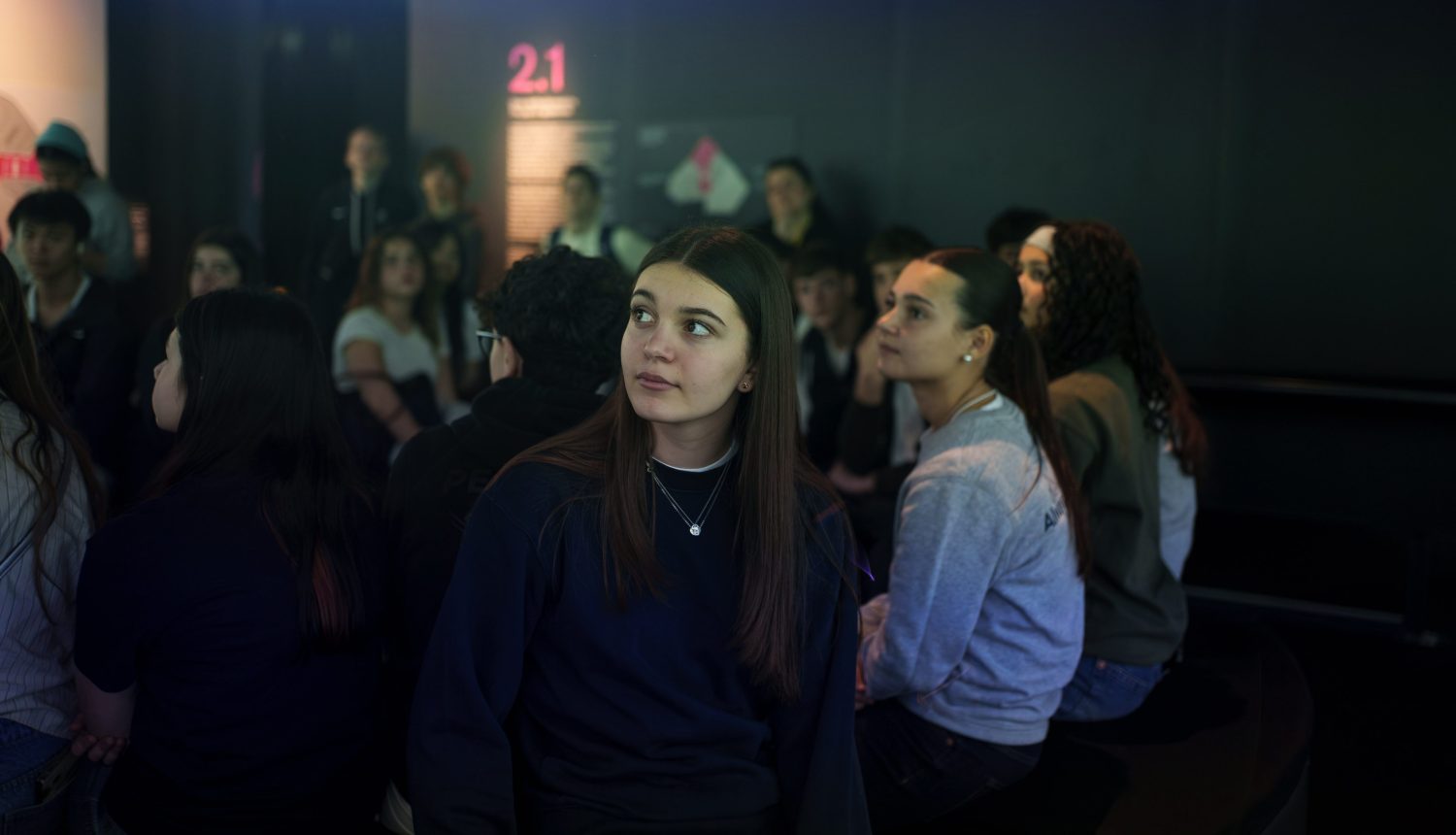
What does it really mean to live in the 20th century?
Is it the story of technological progress and economic growth, or of wars, struggles for rights, and the search for democracy?
For the M5 students of H-FARM International School Venice, the answer began to take shape during their visit to the M9 Museum in Mestre, where history is not only observed but experienced. Through immersive installations and interactive workshops, students stepped into a century full of contradictions: a time of extraordinary progress as well as profound challenges that still shape the world today.
One of the first themes explored was how everyday life in Italy changed throughout the century. In the section dedicated to the Italian way of life, the house becomes a metaphor for social change. Domestic spaces and everyday objects reveal how families lived, how roles within households evolved, and how consumption patterns transformed alongside technological innovation and mass communication. What once seemed normal, crowded homes, few appliances, simple routines, gradually gave way to a new model of modern living shaped by industry, media, and advertising.
Food offered another surprising perspective on cultural exchange. In the section “A world of foods, foods from the world,” students discovered how many everyday products travelled across continents before reaching Italian tables: from soy noodles from China to couscous from North Africa, from American cornflakes and chewing gum to the now-global Coca-Cola. The display highlighted how global connections have influenced daily habits over time.
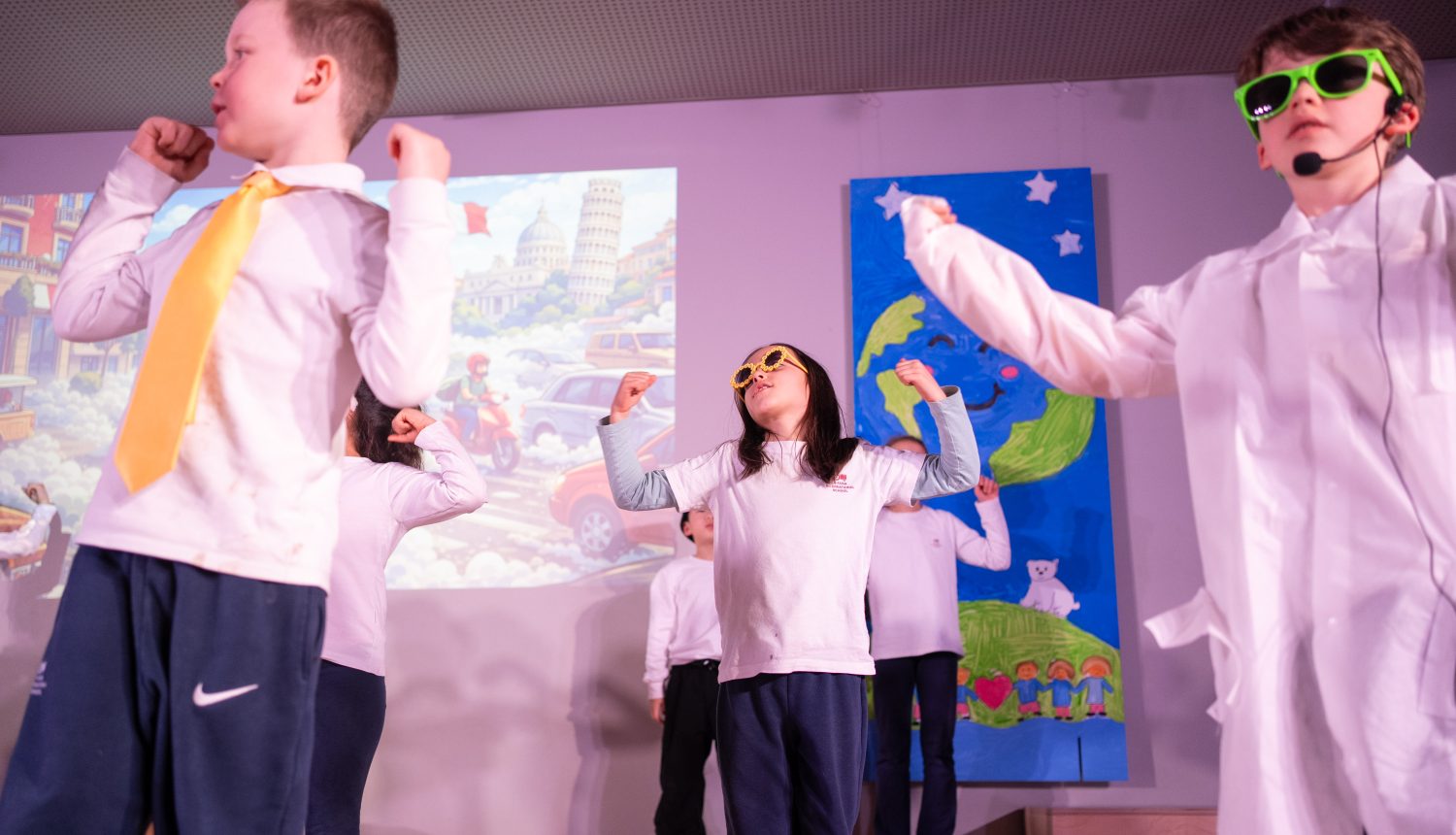
The journey through everyday life also revealed the importance of entertainment in Italian culture. Through interactive installations, students explored how music and television shaped shared memories, from the iconic Sanremo Music Festival to the rise of popular variety shows. At one point, the museum filled with the rhythm of “A far l’amore comincia tu” by Raffaella Carrà, and the students could not resist joining in, turning a moment of history into a spontaneous dance.
Another section focused on health and personal care, reminding visitors how recent many modern comforts are. For much of the 20th century, many Italian homes lacked even basic sanitary facilities. Advances in medicine, hygiene, and living conditions dramatically increased life expectancy, transforming everyday life.
The exhibition also explored the economic transformation of modern Italy. In “Money, money, money – economy, production and wellbeing,” students traced the country’s rapid shift from a rural society of farmers to an industrial and later service-based economy. Within a few generations, millions moved from fields to factories and from factories to offices, raising new questions about prosperity, inequality, and the sustainability of economic wellbeing.
Looking beyond homes and workplaces, the students also examined how the Italian landscape has changed. In “Look around – landscapes and urban settlements,” they discovered how cities, countryside, and coastlines were reshaped by urban expansion, industrial development, and post-war reconstruction.
The visit then turned to one of the darkest chapters of the century: World War II. Through the workshop “Living in War,” students explored the human dimension of conflict by stepping into the roles of historical characters, from fascist generals to partisans, or even a fifteen-year-old girl living through the war. Investigating different perspectives helped them reflect on the causes of the conflict, daily life during wartime, and the political and social changes that followed.
The final part of the visit brought the students to the floor dedicated to Sandro Pertini, the partisan who later became President of the Italian Republic. In the workshop “We Are the Constitution,” students explored the principles of the Italian Constitution by creating digital posters with Canva. Each group transformed a constitutional article into a visual message, combining images, slogans, and one of Pertini’s powerful quotes.
His words, such as “Peace is not a dream: it is a choice” reminded students that democracy is built through responsibility, courage, and example.
By the end of the visit, students had not simply learned about the 20th century, they had experienced its complexity. The museum offered a space to connect history, everyday life, and democratic values, encouraging them to think critically about the world they live in.
History, after all, is about learning from the past to better understand the present and to imagine the future.





 Back
Back

