Switching from High School to University: discovering what’s beyond exams and credits with Matilda Abbiati
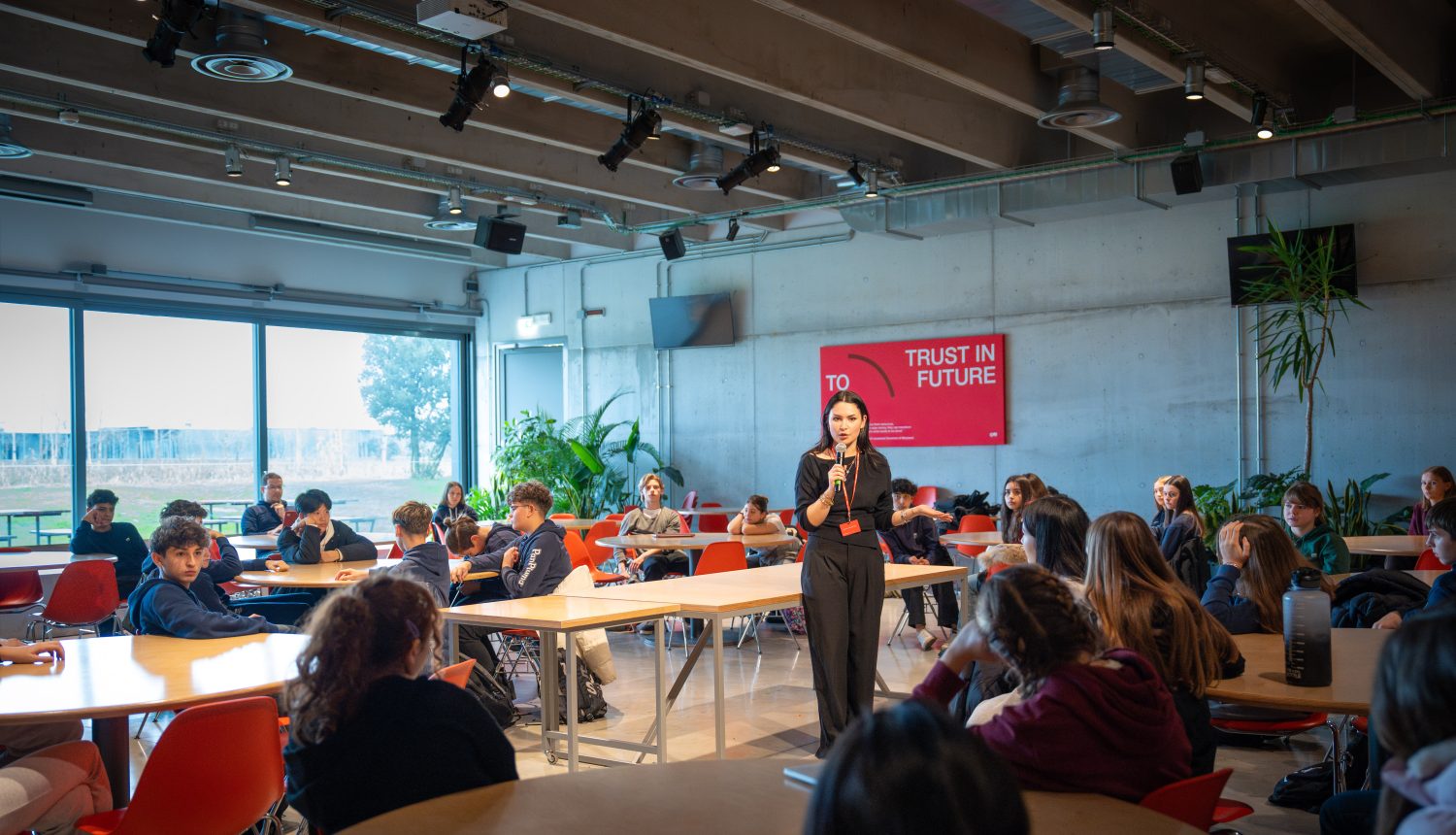
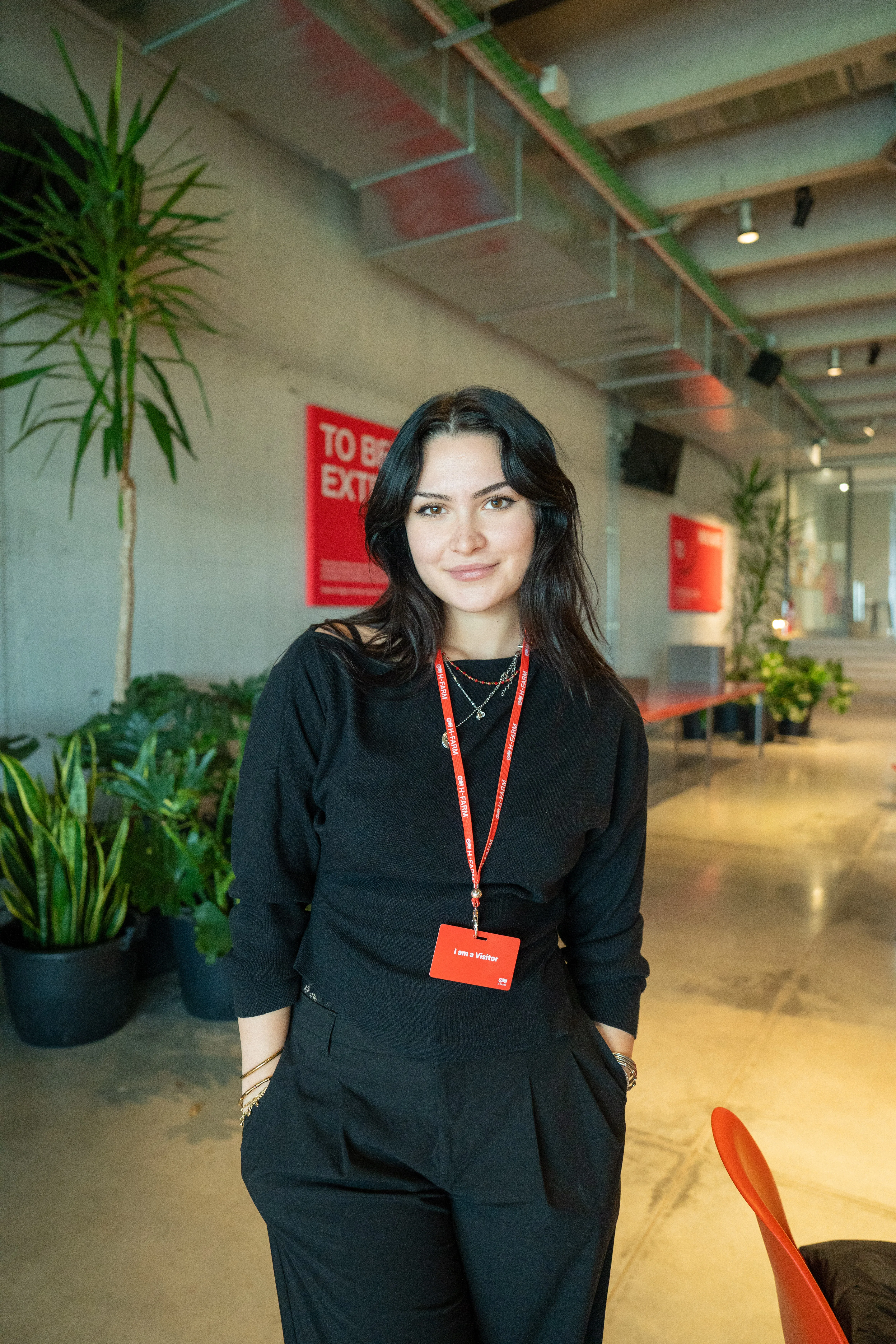
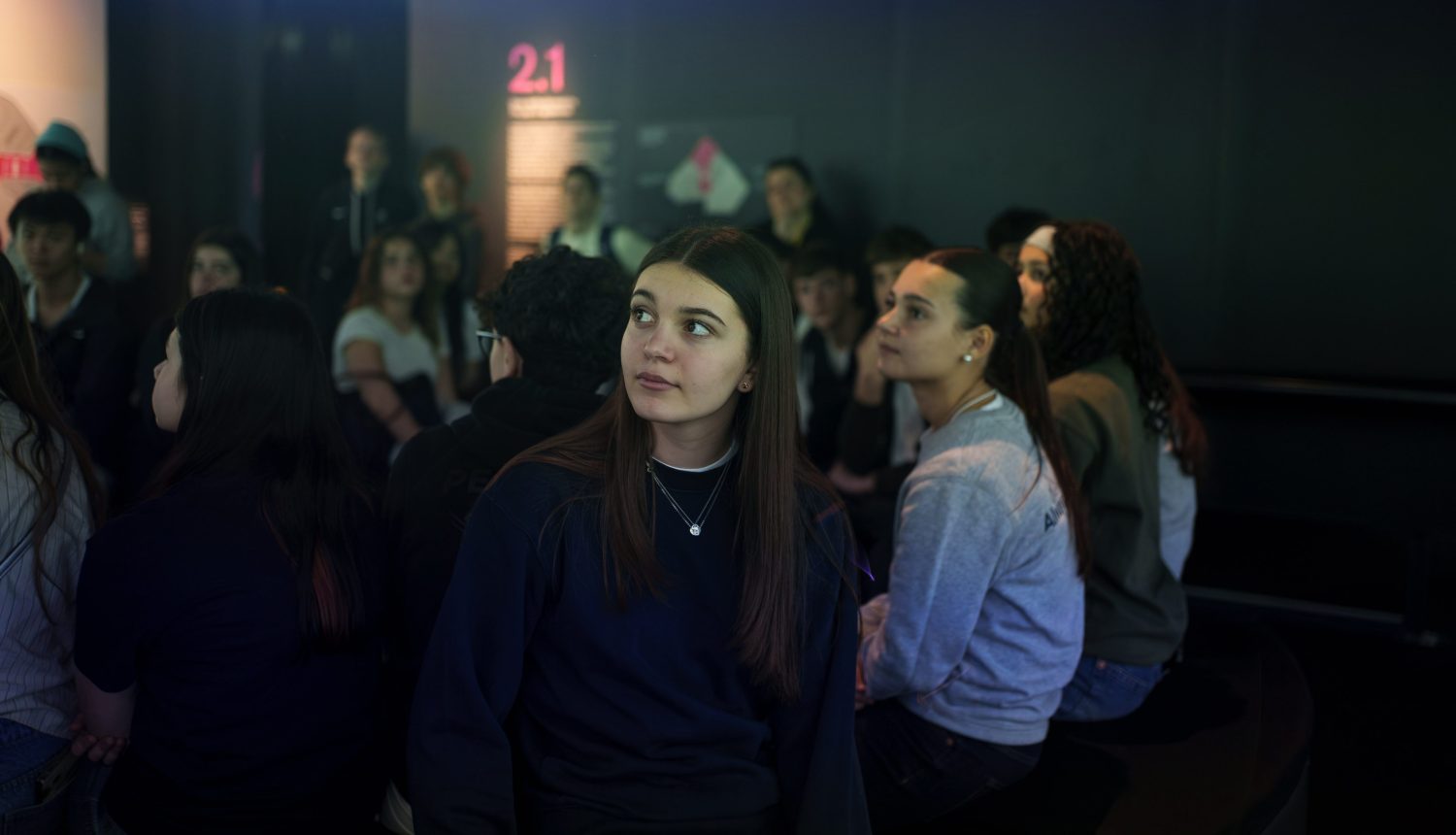
There is a moment, somewhere between the last desk of high school and the first university hallway, when no one really explains what is changing. It’s not just about exams, credits, or study plans: it’s about how you learn to exist in the world. This uncertain, yet necessary, space was at the heart of the meeting between the MYP4 students of H-FARM International School Venice and Matilda Abbiati, content creator and law student at Università Bocconi in Milan. Through her social media presence, Matilda shares her experience of university life and educational choices, using her personal journey to help students better understand the challenges and responsibilities of becoming adults.
University Is Not Just a Bigger School
One of the first points Matilda emphasized addressed a common misconception: university is not simply high school with harder exams. It is a place where “doing your duty” is no longer enough. What is required is autonomy, the ability to organize yourself, respect time and context, and understand when to speak and when to listen. Being appropriate, she explained, does not mean conforming, but knowing how to read the situation you are in.
This autonomy becomes even more evident when no one tells you exactly what to do. As Matilda explained while describing her experience balancing law studies and content creation, “the biggest challenge is that no one tells you what to do, how to do it, and when you have to do it.”
Learning to manage your time and responsibilities is not automatic, it is a skill that develops through effort and self-awareness.
Studying remains the backbone of the university experience, and according to Matilda, postponing exams often means postponing personal growth as well. Alongside studying, however, another level opens up, less visible but just as decisive: relationships, conversations, and opportunities that arise from meeting others. This is where knowledge stops being abstract and becomes a network.
From this perspective, building your CV is not a bureaucratic exercise, but an act of awareness: learning to recognize the value of your experiences, even the non-linear ones, and learning how to tell your story without underselling yourself.
The People You Choose Shape the Space in Which You Grow
Another central theme of Matilda’s talk focused on relationships. We never grow alone: the people we spend time with shape our perspective and can either expand or limit our possibilities. For this reason, she encouraged students to be attentive to who they allow into their lives.
Looking back at her younger self, she shared a piece of advice that resonated strongly with the students: “having good friends is really, really important, because some people can take you down and slow you, and your time is really valuable.”
Growth, she suggested, comes not only from being supported, but also from being challenged by people who help you become more thoughtful and responsible.
At the same time, she delivered a clear message: do not confuse love with self-renunciation. Changing your life path for a relationship is often the first step toward losing yourself. Healthy relationships do not ask you to disappear, but to take up space together.
Social Media Are Public Spaces, Not Private Rooms
During her talk, Matilda also addressed the relationship with social media, encouraging students to stop thinking of them as neutral tools. Social platforms, she reminded them, are public spaces, inhabited by real people and governed by real consequences.
For her, authenticity online does not mean sharing everything. As she explained, “I wanted to share my journey, not my intimacy.” Choosing what to show, and what to protect, is part of digital responsibility.
Using social media intelligently means moving beyond passive consumption and becoming active users, sharing what you love, what you study, and what represents you. But every word published carries weight. Aggressive comments, careless posts, or offensive content are not just stylistic choices: they can have concrete consequences, including legal ones. Digital awareness, she stressed, is not censorship, it is responsibility.
Studying What You Love Is a Form of Resistance
Choosing what to study remains one of the hardest decisions. Career opportunities matter, and it is right to take them into account, but they cannot be the only criterion. We are talking about something that will occupy a significant part of our lives.
Matilda shared how she chose to study law out of a desire to understand what lies beneath everyday life, work, relationships, and society itself. Studying something that does not truly interest you may seem like a shortcut, but it often turns into a silent trap. Choosing what feels genuinely yours is an act of honesty and, in a system that pushes efficiency at all costs, also a form of resistance.
To those who fear not being “good enough” for a top university, her message was clear and reassuring: “it’s not something that you have to be, but something you have to become.” Growth is a process, not a prerequisite.
You Are Not the Sum of Your Results
In closing, Matilda left students with a simple but essential reflection: you are not only what you produce. You are not your grades, not the exams you pass, not the speed at which you reach a goal.
Taking care of your mental health, your body, and your relationships is not time taken away from studying; it is time given back to life. Because no path truly makes sense if, along the way, it takes you further away from yourself.








 Back
Back

