The Venissa Challenge: How H-FARM International School Students Brought Their Ideas to Life
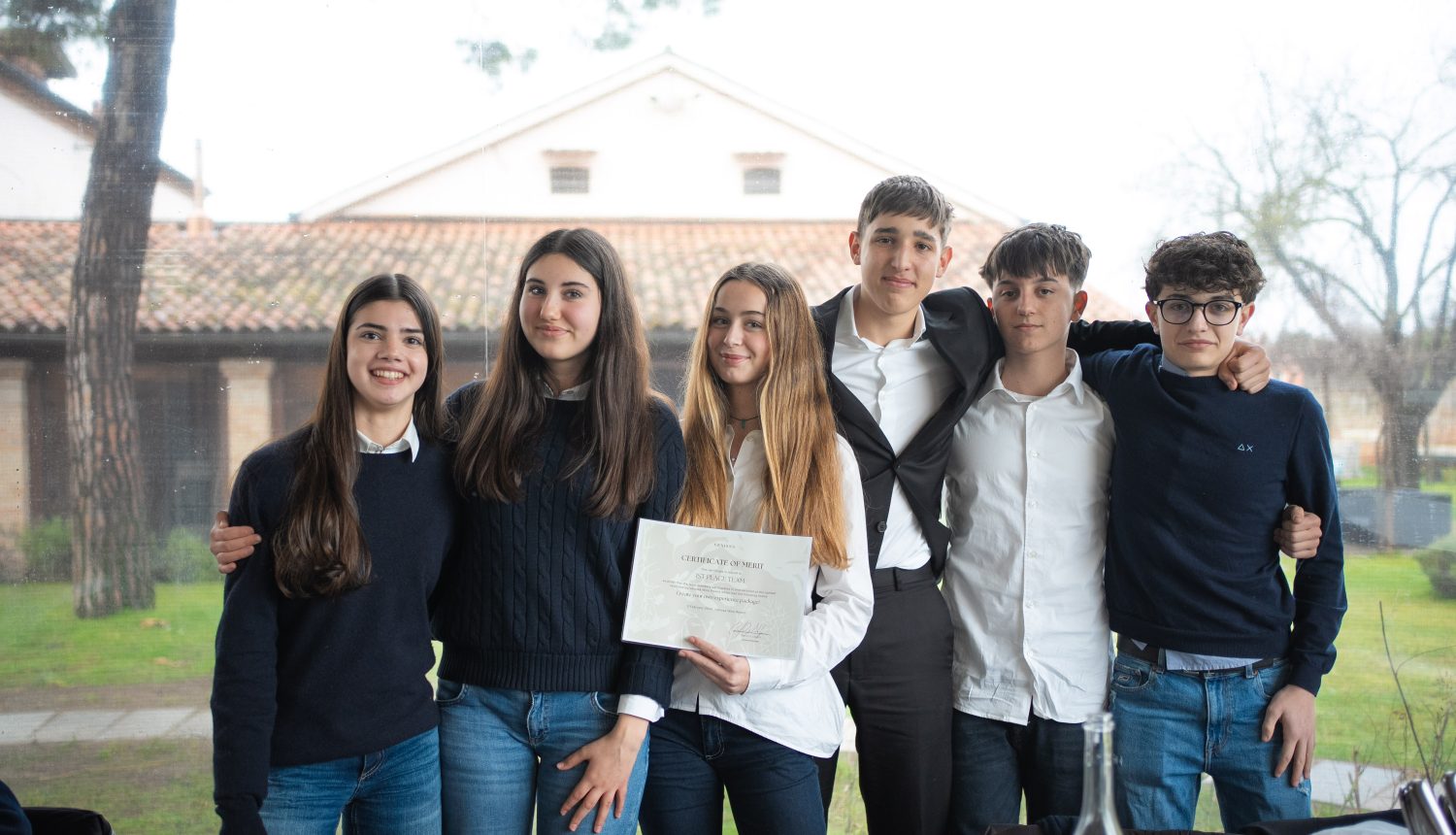
We are in Mazzorbo, surrounded by the lagoon of Venice, and our students are about to step through the doors of the Michelin-starred restaurant Venissa to present the business model they have designed for them.
In front of them are not teachers, but professionals who live that project every day. The atmosphere is tense; you can feel the students’ nervousness, but also their energy and eagerness to present their ideas.
But let’s take a step back. How did we get here?
It all began a few weeks earlier, when our MYP5 students from the Venice Campus were challenged by the Venissa team to imagine new experiences capable of attracting Gen Z, without betraying the brand’s identity and values.
Born from the desire to revive an ancient submerged vineyard, Venissa is not only a restaurant awarded one Michelin star and a Green Star for sustainability; over the years, it has combined all of this with cuisine and hospitality, becoming a project that brings together territory, tradition, and a constant focus on the future.
Working for a brand like this means engaging with clear boundaries. And for our students, this made all the difference. The project developed in an interdisciplinary way, involving Business, Design, and Digital Skills (DST). Fifteen groups, fifteen different proposals, all starting from the same brief but moving in different directions. Some focused on immersive experiences in the lagoon, others on creative and social activities, and others on new communication strategies to connect with their peers. Every idea, however, had to answer specific questions. Is it economically sustainable? Is it consistent with the brand’s positioning? Does it respect the local territory? Does it make sense for a teenager, but also for the adult who will ultimately choose to book?
As the weeks went by, the project stopped being “an assignment” and became an exercise in responsibility. Designing for a real client means measuring yourself against feasibility, not just creativity.
This type of experience directly reflects our approach to experiential learning. As Mr. Francesco Ramagli, Learning Experience Coordinator, emphasizes, the moment when learning truly becomes meaningful is when students step outside the classroom and engage with real-world contexts, where what they have studied takes shape, becomes more complex, and is put to the test. It is in these moments that knowledge, curiosity, and collaborative skills turn into something tangible.
 WATCH THE VIDEO
And then the day of the visit arrived.
Crossing the lagoon to reach Mazzorbo is not just a geographical journey. It means entering a context that sets a different pace. Walking through the vineyards, listening to the story of the place, observing how every element is the result of a deliberate choice helped the students fully understand the boundaries within which they had been working.
But now it was time to present the result of weeks of work. Weeks in which the students analyzed the habits, expectations, and spending dynamics of their own generation; discussed how to find a balance between aspiration and accessibility; developed titles, taglines, mini-menus, room amenities, communication strategies, and cost structures. All with one clear objective: to make their idea truly work.
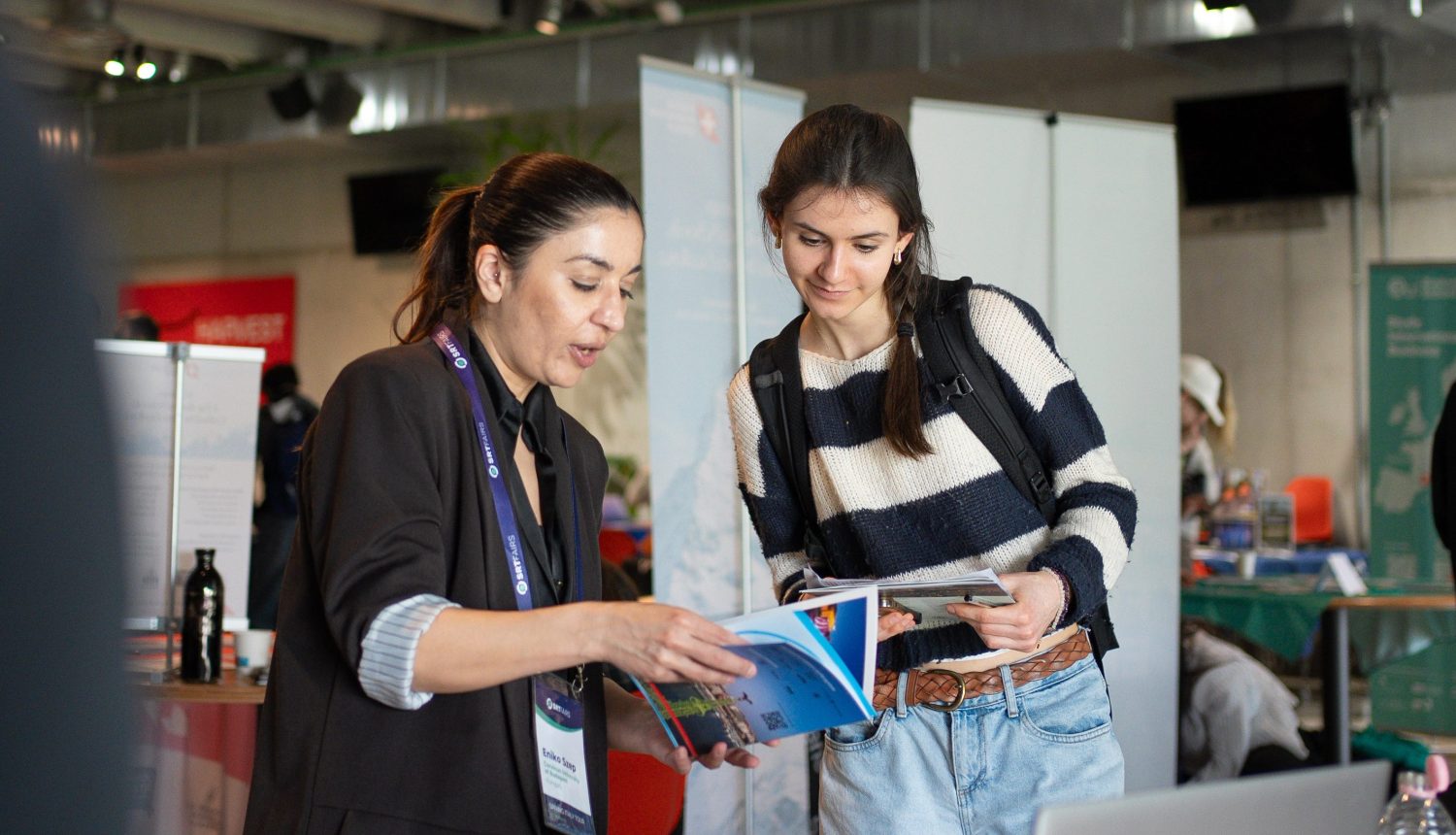
In front of the Venissa team, each group had to justify their choices, clarify their assumptions, defend their concepts, and experience firsthand what it means to support an idea in front of those who understand every operational implication.
Among the fifteen proposals, one in particular stood out for its balance between imagination and feasibility. Congratulations to Olivia, Francesca, Andrea, Lorenzo, Tommaso, and Elia, whose project successfully combined exploration of the lagoon, creative activities, and moments of social interaction into an experience designed for teenagers yet fully aligned with Venissa’s identity.
A sincere thank you goes to the Venissa team for welcoming our students with openness and professionalism, and to Mr. Francesco Ramagli, Head of Department, Italian Literature Teacher, and Experiential Learning Coordinator, for making possible an experience that transformed a brief into something far more concrete.
On the boat ride back, the anxiety had dissolved, the presentations were over, and the slides closed. What remained were conversations among classmates, the feedback received, ideas to improve. And perhaps also the awareness of having done something that felt much closer to the real world than one might expect at fifteen years old.





 Back
Back

