University Fairs: Where Future Choices Take Shape
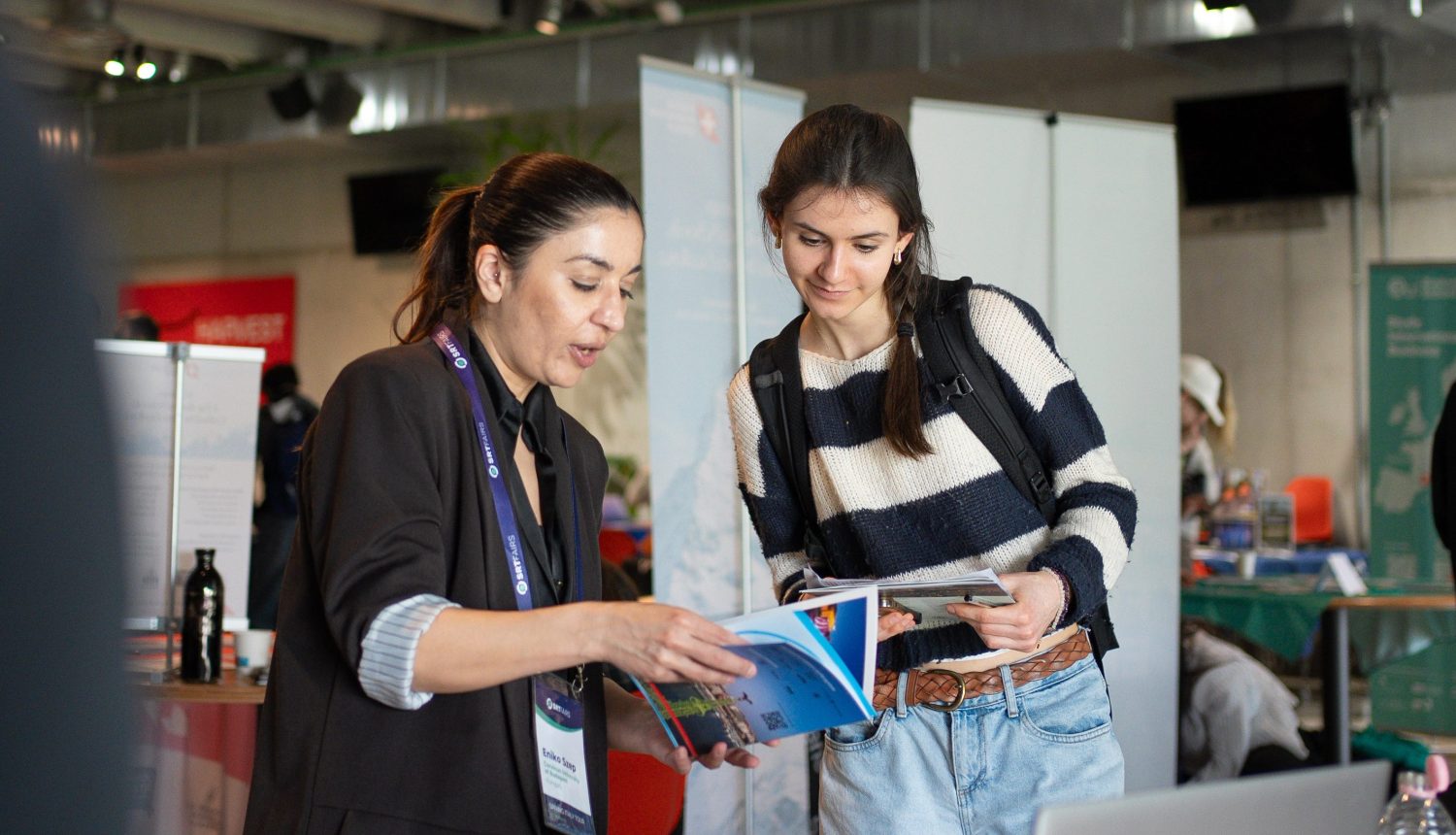
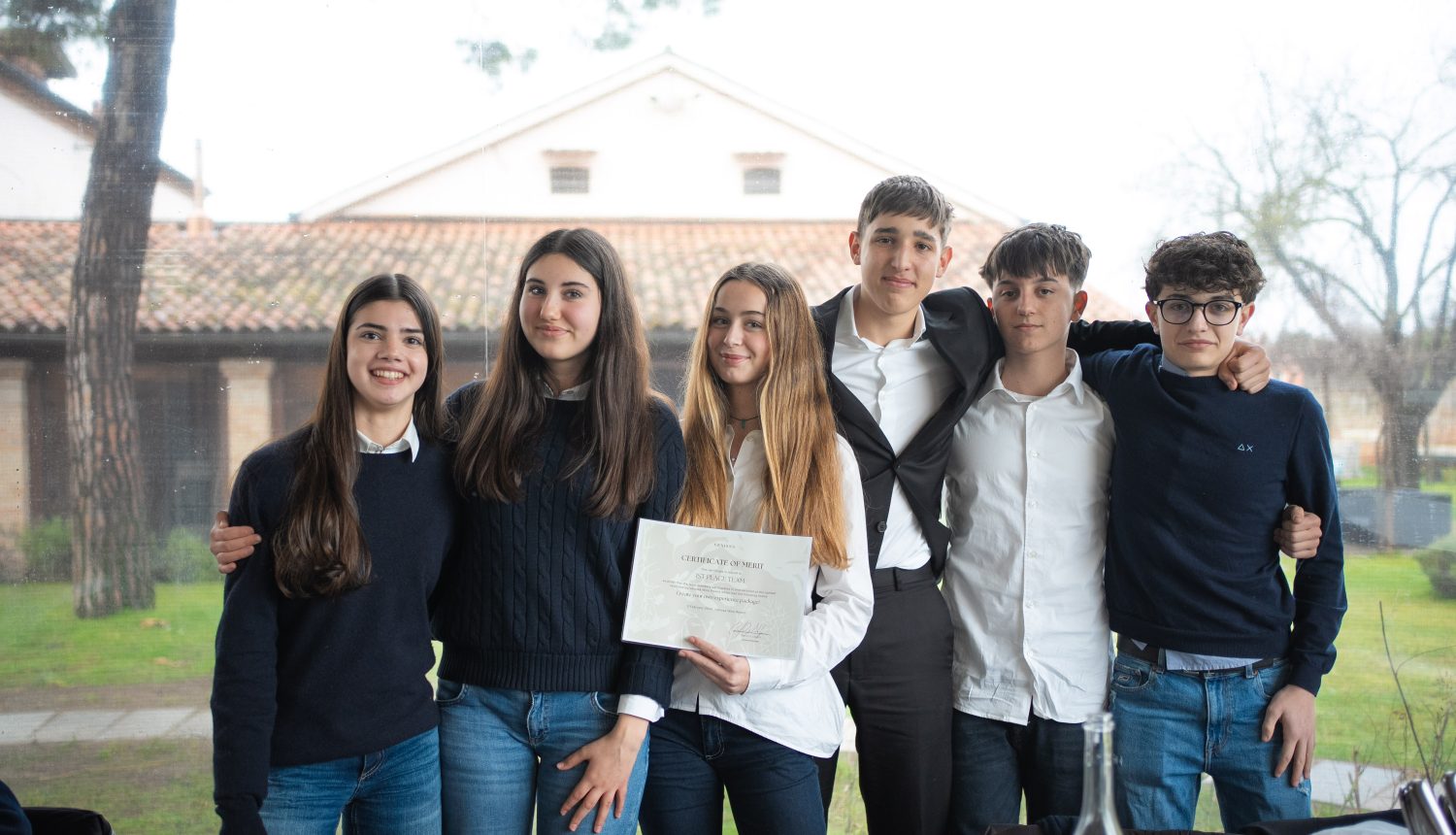
Every year, as the time approaches for students to choose their university path, they find themselves facing one of the most important decisions of their future. It is a complex choice that requires information, comparison, and above all awareness. With this goal in mind, over the past two weeks our school has hosted a series of university orientation initiatives, including the International University Fair organized in collaboration with SRT Fairs, and a mini fair dedicated to leading universities from the United Kingdom.
These events are designed to connect students directly with the world of international higher education, offering them the opportunity to explore a wide range of academic pathways and institutional environments.
The International University Fair brought together universities and academic institutions from 15 countries, along with several multi-campus organizations. The atmosphere resembled a true international crossroads: information stands, university representatives ready to answer students’ questions, and a constant flow of conversations among students eager to discover the opportunities that await them after graduation.
Among the institutions present were highly regarded universities on the European and international stage, such as Stockholm School of Economics, ESCP Business School, ESADE, University College Groningen, Arizona State University, and UWE Bristol, alongside many other academic institutions offering highly specialized programs. This allowed students to explore a wide range of study options: from international business schools to STEM pathways, from universities focused on innovation and design to institutions dedicated to the creative arts or hospitality management.
Alongside the fair, several thematic sessions further enriched the experience, focusing on key academic areas and career pathways. Students had the opportunity to explore STEM and Career Pathways (led by UWE Bristol and Dundalk Institute of Technology), Business studies (with Stockholm School of Economics), and studying in Spain (presented by UDIT, Universidad de Diseño, Innovación y Tecnología). These sessions provided a more focused perspective on specific fields of study, helping students connect academic choices with future career opportunities.
Subsequently, the school also hosted a mini fair dedicated to top UK universities, offering students further insight into one of the most popular study destinations. Among the institutions presented were globally recognized universities such as University of Edinburgh, Durham University, University of Bristol, and Cardiff University, each offering excellence in fields ranging from Computer Science and Medicine to Law, Engineering, and the Social Sciences. This additional moment allowed students to better understand the distinctive features of the UK higher education system and compare it with other international options.
One of the most significant aspects of these experiences was the opportunity for students to speak directly with admissions officers and university representatives. Rather than simply collecting brochures or general information, students were able to start concrete conversations about degree programs, internship opportunities, the possibility of studying abroad during their university years, and future career prospects.
Many students highlighted precisely the value of this direct interaction. “It was a great opportunity to ask all those questions that usually remain unanswered,” said Alex. Giulia added, “Even just talking with university representatives and other students helps you better understand what to expect.”
Participation in these events, however, was not only informational. Students were also given a specific task: to analyze their universities of interest and gather information about key aspects such as admission requirements, program length, opportunities for international experiences, costs, scholarships, and student life. What may seem like a simple exercise is in reality extremely valuable, as it encourages students to approach university choices with a critical and comparative mindset, going beyond name recognition or reputation.
And it is precisely here that the real value of initiatives like these emerges. Choosing a university does not simply mean identifying a good institution; it means finding the environment that best matches a student’s aspirations, interests, and way of learning. Comparing different campuses, speaking with admissions specialists, and discovering previously unknown programs helps transform a complex decision into a process of exploration.
Many students clearly felt this. “I still don’t know exactly what I will choose, but today I have a much clearer idea of the different possibilities,” explained Lorenzo. Emma commented, “I had never considered some of the universities I saw today. Now I will definitely take them into account.”
These words capture the true meaning of the experience: not to provide immediate answers, but to open new perspectives.
For our school, promoting initiatives like these, organized by the University and Career Counselling team, means supporting students through a fundamental stage of their growth. They represent key moments within a broader guidance pathway that begins as early as MYP5, helping students gradually build the knowledge, skills, and awareness needed to make informed decisions.
Choosing a university is not a step to be faced alone or at the last minute; it is a process that requires time, dialogue, and the right tools to navigate the many opportunities offered by international higher education.
Events such as these therefore become opportunities for exploration, dialogue, and awareness. And it is precisely this awareness that runs throughout the entire experience, helping students approach the next chapter of their academic and personal journey with greater confidence.





 Back
Back

