TLF Scholars take on the MIT startup method
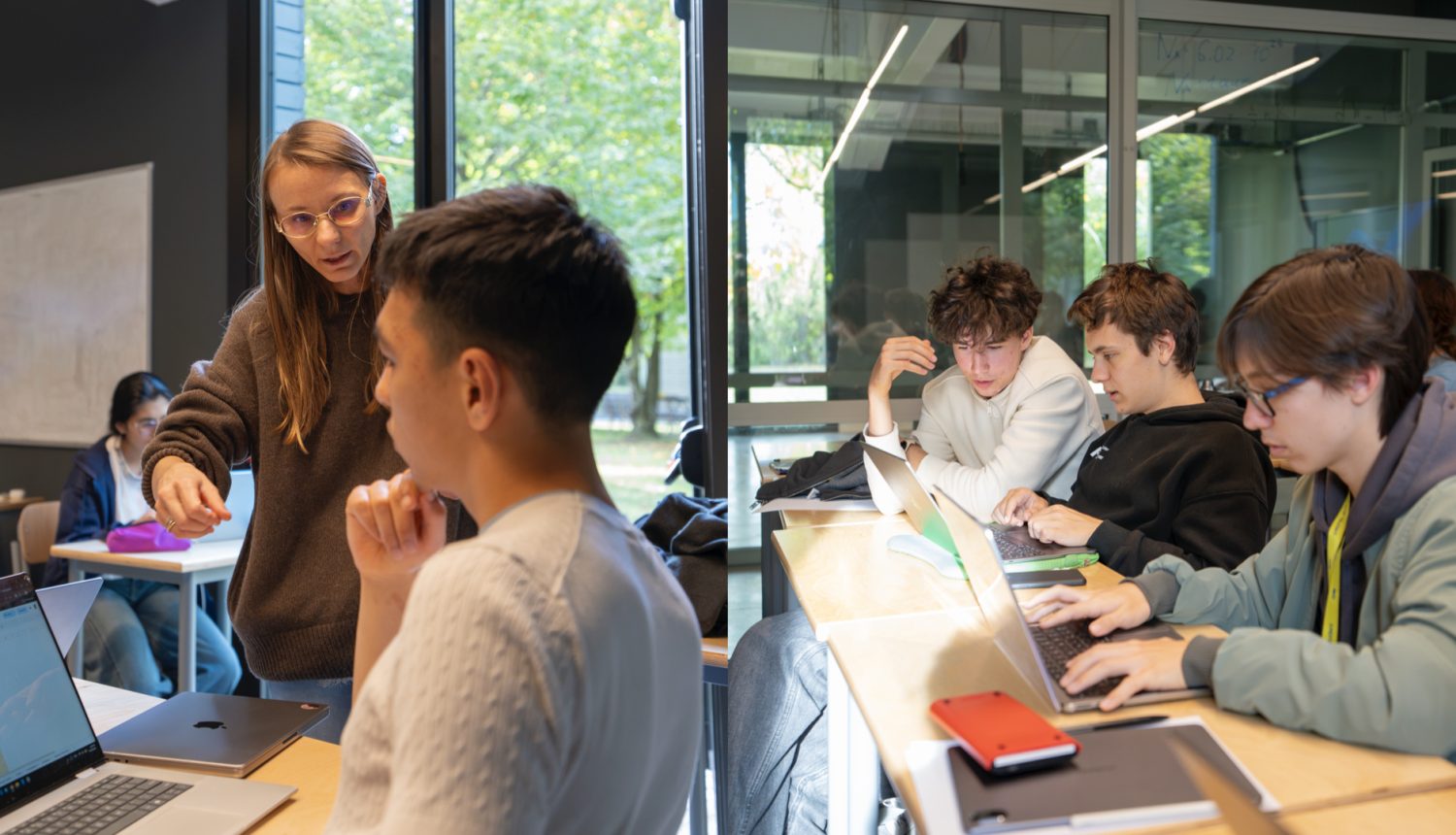
Who would pay for my idea, and why would they choose it? How big is that market, really? Who is my customer? And where do I fit in the team: CEO, CTO, Designer & Front-end Developer, or Sales & Finance?
These are just some of the questions every founder has to face sooner or later. To help answer them, the Martin Trust Center for MIT Entrepreneurship developed Disciplined Entrepreneurship, a method that breaks the process of building a startup into 24 steps. The answers don’t come from instinct; they’re built one step at a time. As in maths, each step builds on the one before it, and if something doesn’t hold up, you go back, fix it and start again.
This is the process our Technology Leader of the Future scholars began putting into practice during their first two intensive entrepreneurship days, led by Ms Olga Lytvynova, TLF Extended Programmes Coordinator.
The method was designed for university students and adult founders. “The challenge,” says Ms Lytvynova, “was keeping its academic rigour while making it accessible to our High School students.”
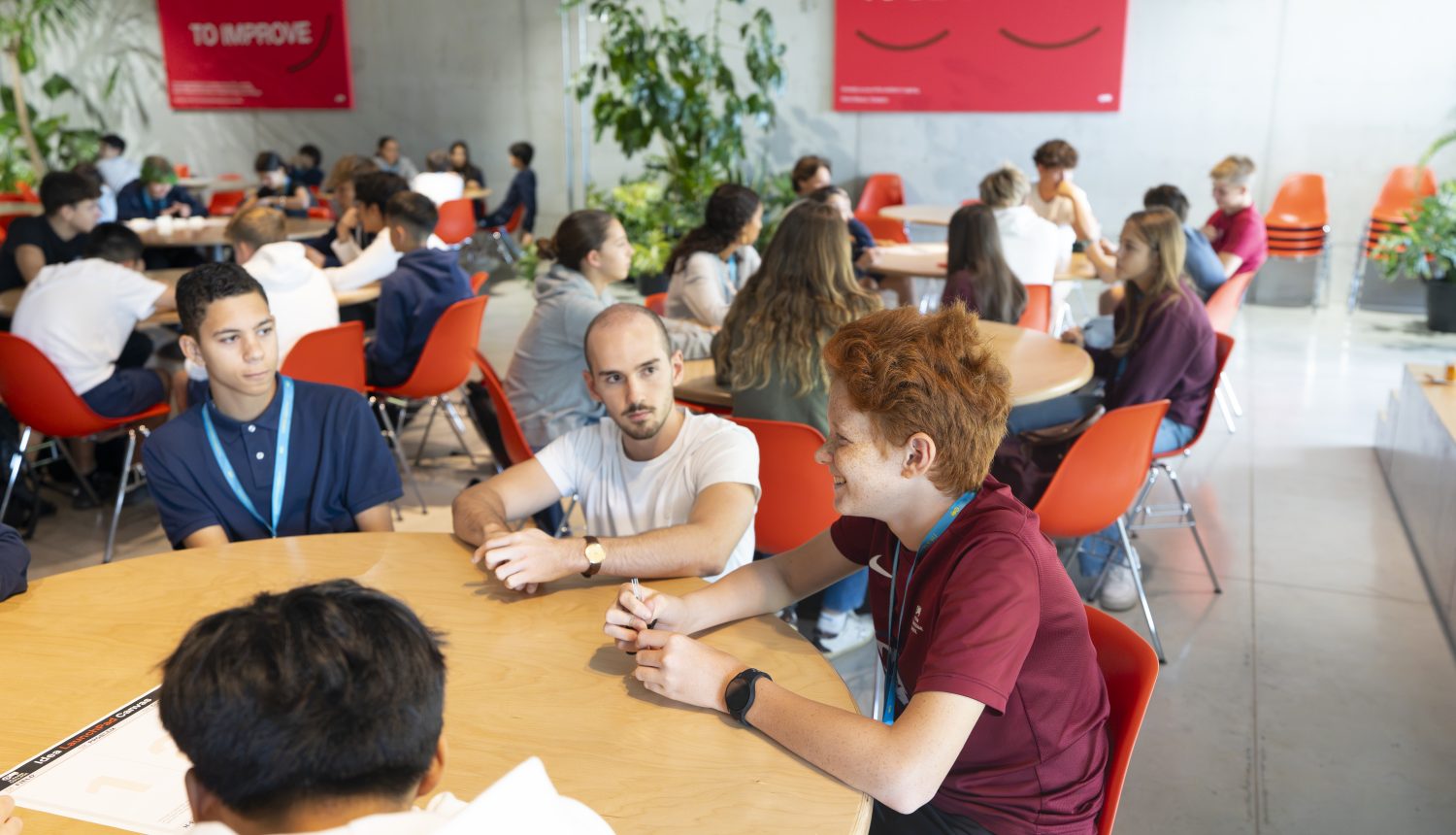
Over the two days, six ideas were chosen from the many the students put forward, among them a training platform for the International Olympiad in Artificial Intelligence, an AI-powered company memory, and an app for anyone who never knows what to wear. A team formed around each one and worked through the first five of the method’s 24 steps: segmenting the market, choosing a beachhead market to start from, building an end-user profile, sizing the market, and putting a face to the typical customer, known as the “persona”.
To get there, the students worked like real founders. Each team kept a shared playbook updated with its progress, every claim was labelled as either verified data or hypothesis, and everyone learned to use the real language of business. According to Ms Lytvynova, this is where the most important change happens.
“What struck me most,” she explains, “is that when young students are given the same tools and learn the same vocabulary as real founders, they stop questioning whether their idea is good enough and start looking for the evidence and data that prove it works.”
The questions that started it all now have a first answer. But in the MIT method, an answer isn’t proof yet. Over the coming months, the six teams will test their answers outside the classroom through interviews, primary and secondary market research, and increasingly precise personas. All of it leads to the moment everyone is waiting for: pitching to a real panel of venture capitalists at Barcelona Camp 2027.





 Back

