Under a starry sky: the first edition of Science Night, where curiosity meets discovery
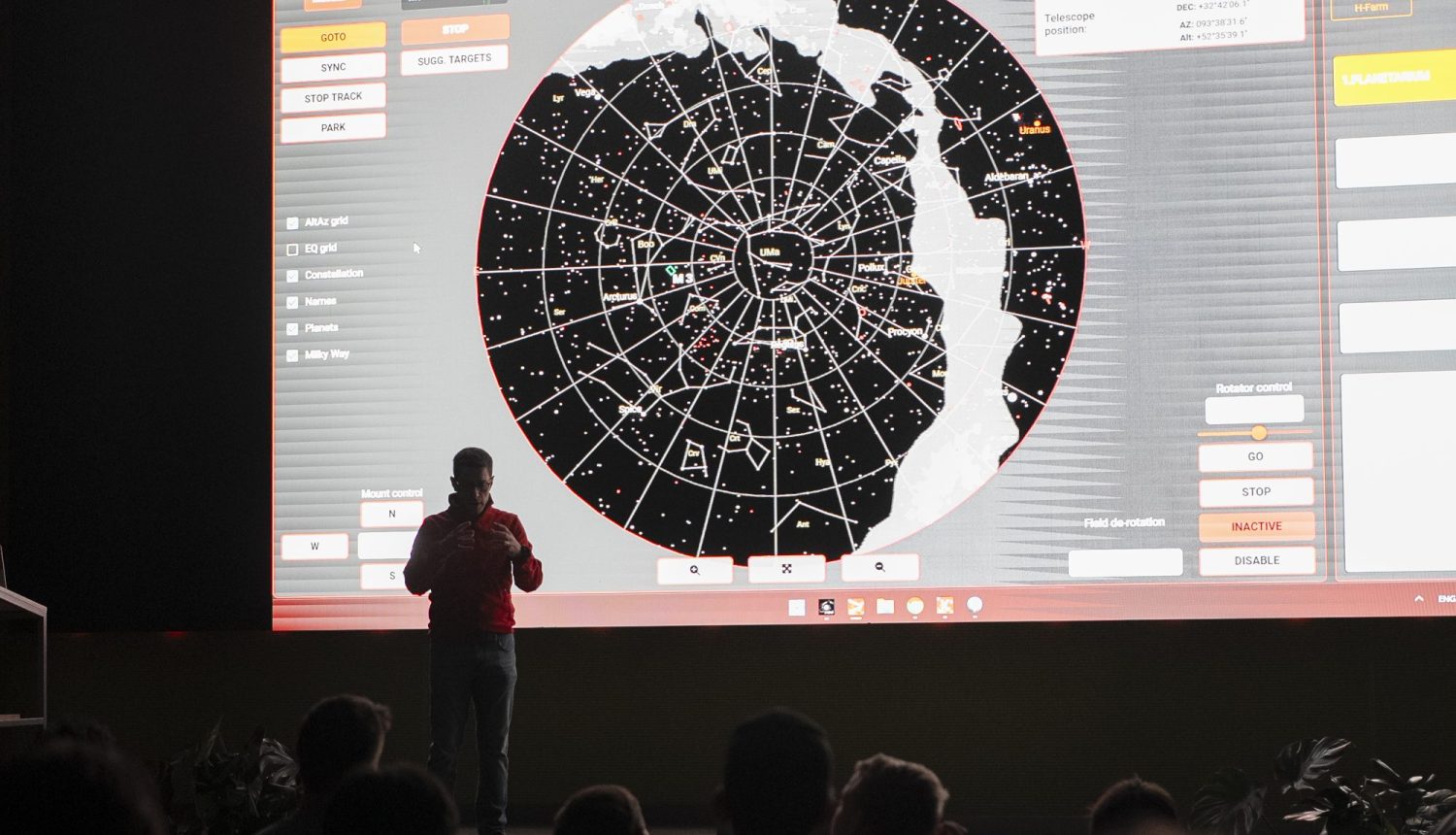
The starry sky carries with it mysteries that resist easy explanation, and it is perhaps from there that the curiosity we still feel today is born, the same curiosity that must once have moved Van Gogh as he painted his Starry Night.
It is precisely that same curiosity, the kind that refuses to stop at the surface, that found space in Science Night. An evening in which science became a way to push beyond the limits of sight, to grasp details that escape the naked eye and uncover layers of reality that usually remain hidden, because, as Professor Vincenzo Rosaria La Franca Pitarresi also reminded, “Every great discovery in history started exactly like this: with a student, a curious idea, and a drive to learn.”
As the evening unfolded, the experience shifted from observation to exploration, where each space offered a new perspective on the same underlying question: how do things really work? With Professor Marco Patruno, who teaches Veterinary Anatomy at the University of Padua, movement became something to reconstruct from its most concrete foundations. Among bones and real structures, biomechanics and comparative anatomy took shape in the hands of students, revealing how different species have developed surprisingly effective solutions to achieve high speeds, both in water and on land.
Nearby, sound took on a completely different role from the one we are used to. With Antonio Beggiato of the University of Padua, marine ecology and bioacoustics intertwined in a workshop where sound waves became active tools for ecosystem regeneration. Participants found themselves building and observing acoustic systems designed to operate in marine environments, understanding how even invisible elements can have a tangible impact on life.


Further on, the eye was captured by light, suddenly made tangible. Guided by Stefano Bonetti, professor of condensed matter physics, together with researchers Riccardo Piccoli and Riccardo Arpaia from Ca’ Foscari University of Venice, participants engaged with the fundamentals of geometric optics. Through lenses, mirrors, and trajectories, physics and mathematics ceased to be abstract formulas and became observable behaviors, constructed and tested in real time.


Attention then shifted beyond Earth’s atmosphere, entering the field of space engineering. With Elena Toson (COO), Micol Vinci, and Luca Zuanetto from T4i -Technology for Propulsion and Innovation, the design of satellite systems took shape through conditions that are rarely considered: vacuum, thermal fluctuations, materials. Space systems engineering intertwined with materials science, showing how every design choice is a response to extreme constraints.


Outside, finally, the very scale of reality changed. With Mattia Scomparin, a physicist and engineer at Flex-N-Gate Europe, mathematics and astrodynamics became tools to make the vastness of the Solar System visible. Starting from a defined scale, participants moved across the campus to position the planets, discovering step by step how real distances differ from what we imagine.


In this continuous crossing of different domains, from the animal body to deep space, the evening maintained a coherent, almost invisible thread that always led back to the same point: learning to see better. Not simply adding information, but changing the way we observe.
So when attention finally turned back to the sky, that initial starry sky was no longer the same. Through the telescope, the stars appeared closer, but it was with astrophotography that the experience truly changed. Where the eye stops, technology continues: light is gathered over time, details slowly emerge, colors reveal themselves. What at first glance seems distant and indistinct acquires depth, structure, and form.


And in that moment, the meaning of the evening came full circle, without ever truly concluding. The mysteries remain, just as they remain in the starry sky from which everything began. But something changes: not so much in the answers, as in the way we return to search for them.
An evening like this does not take shape on its own. Behind this journey was the work of Professor Vincenzo Rosaria La Franca Pitarresi and laboratory technicians Francesca Sasso and Carlo Burchielli, who made possible an experience capable of bringing together different fields in a single direction. To them is added the contribution of all the guests, professors, researchers, and professionals, who brought expertise, time, and passion, transforming the evening into something alive and shared.
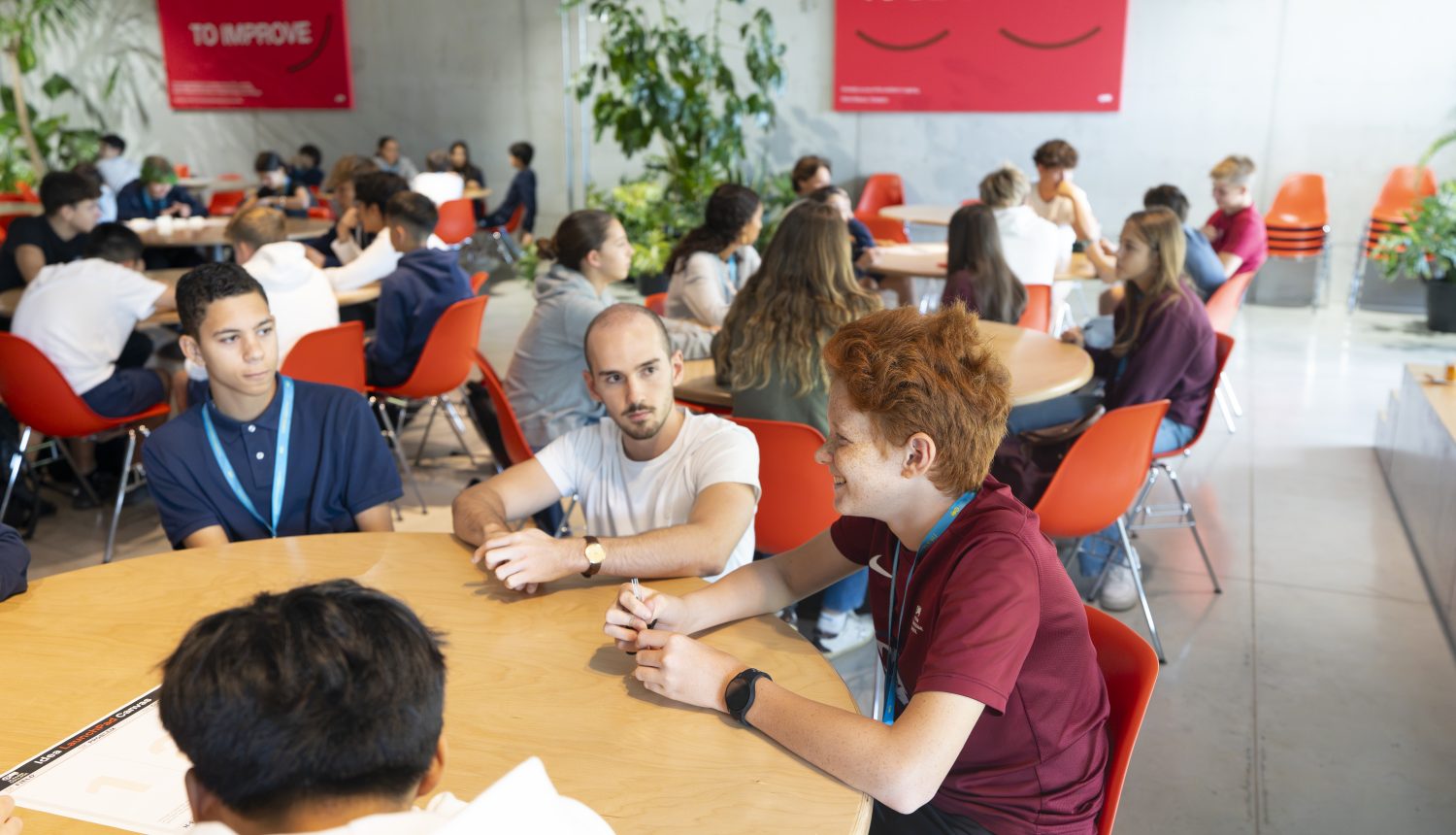
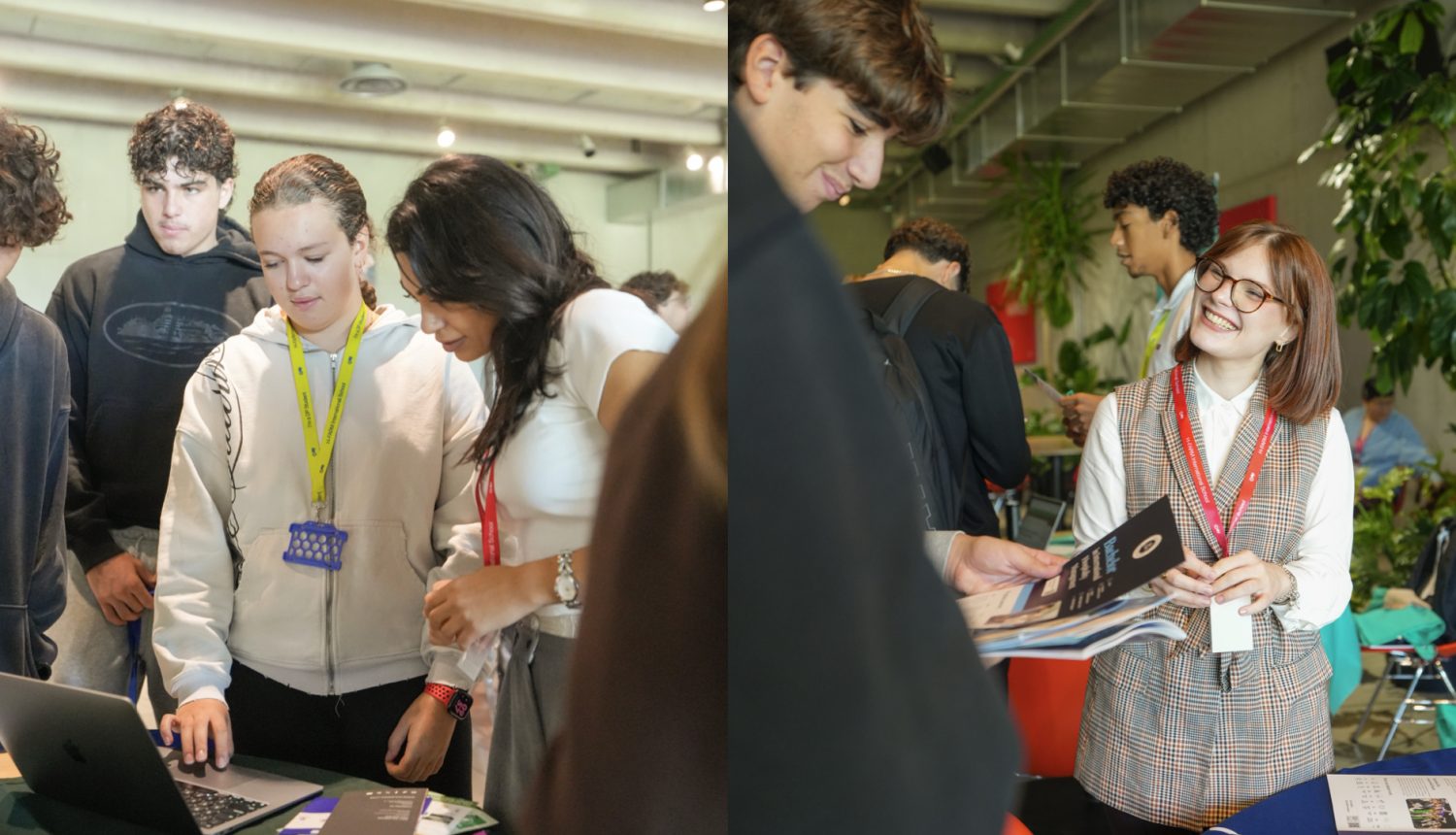
And then, of course, those who took part. Because events like this truly exist only when someone chooses to engage, to observe, to ask questions, to let themselves be curious.
The starry sky remains there, with its mysteries. But after an evening like this, it is hard to look at it in exactly the same way.



 Back
Back

