Beyond the Diploma: Understanding the IB Programme
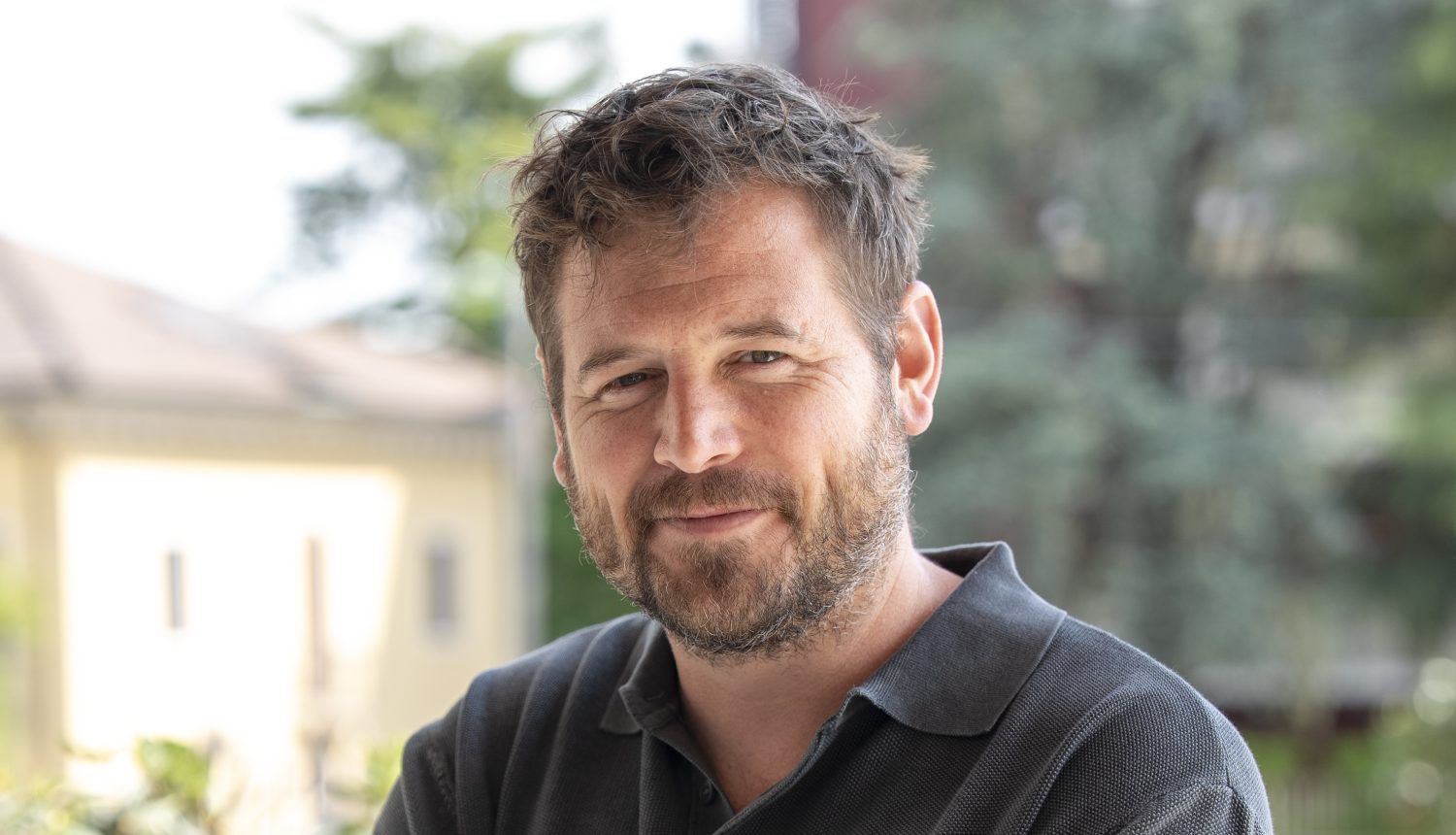
A conversation with Mr. David Coppard
Some results speak for themselves. Others need to be understood to be fully appreciated.
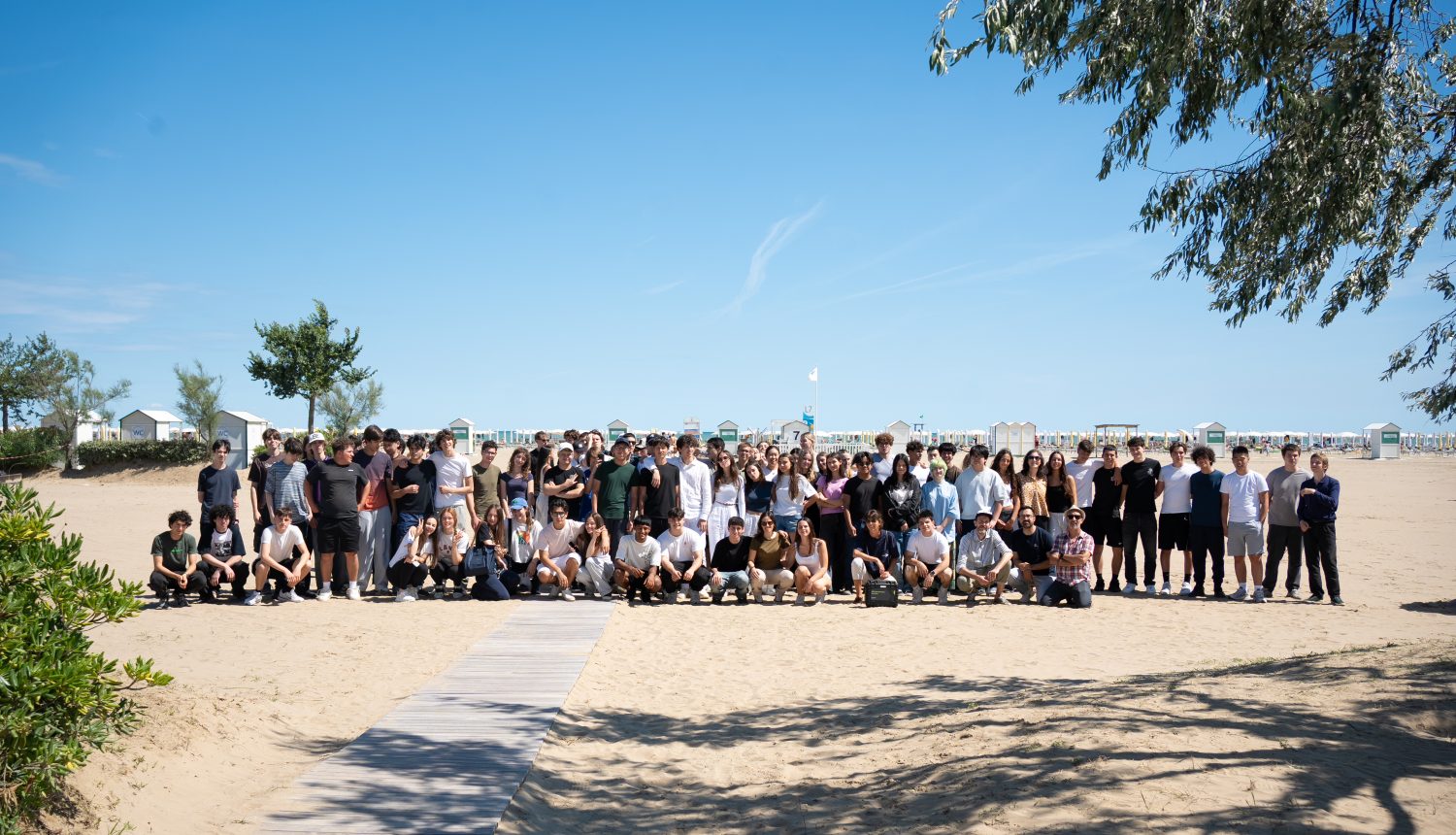
The H-FARM International School Vicenza Class of 2026 has just received their IB Diploma results — and they are, by any measure, exceptional. Among the best we have seen since the school opened its Diploma Programme.
100% pass rate. An average score of 31.89.
A highest individual score of 39.
And 73.7% of graduates awarded a Bilingual Diploma.
But what do these numbers actually mean? For families who are more familiar with the Italian Maturità, the answer is: quite a lot more than they might first appear.
Why the IB pass rate is not what you might expect
In Italy, the Esame di Stato is designed so that virtually all students who sit it will pass. The IB Diploma works very differently.
To earn the IB Diploma, students must achieve a minimum of 24 points out of a possible 45, across six subjects graded 1 to 7, plus up to 3 additional points from Theory of Knowledge and the Extended Essay. But meeting a point threshold alone is not enough. Students must also satisfy a series of strict conditions: no grade lower than a 2 in any subject, minimum combined scores across Higher Level and Standard Level subjects, and completion of all core components — Theory of Knowledge, the Extended Essay, and CAS. Falling short in any one of these areas means no diploma, regardless of the overall total.
Globally, the IB pass rate sits at approximately 80%. In the 2026 session, it was 82.61%. Our Class of 2026 passed at 100%.
That is not a small distinction. It means that every single student who sat the exams this year met every requirement, in every subject, in every core component. It places the H-FARM Vicenza Class of 2026 among the strongest Diploma cohorts in the world.
An average that keeps growing
Our class achieved an average score of 31.84 points — above the 2026 world average of 30.88.
For a school that has been running the Diploma Programme since 2020, this result carries particular weight. It is not a one-off: it reflects a consistent upward trend, with our average rising by roughly one point year on year. More experienced teachers, stronger academic structures, and students who arrive at DP better prepared than ever before.
What a score of 39 really means
The maximum IB score is 45, made up of six subjects each graded out of 7, plus up to 3 points from the core. With a world average of around 30 points, anything above 35 is already considered a strong achievement.
A score of 39 is something else entirely. A score in the 36–39 range is broadly equivalent to A*AA at A Levels — the qualification used by the most selective universities in the UK. It is the kind of score that opens doors to the most prestigious universities in the world.
One of our students achieved exactly that this year.
What lies behind these results
Numbers tell part of the story. The rest belongs to the people who made them possible — the students who committed to two of the most demanding years of their academic lives, and the teachers who guided them through it.
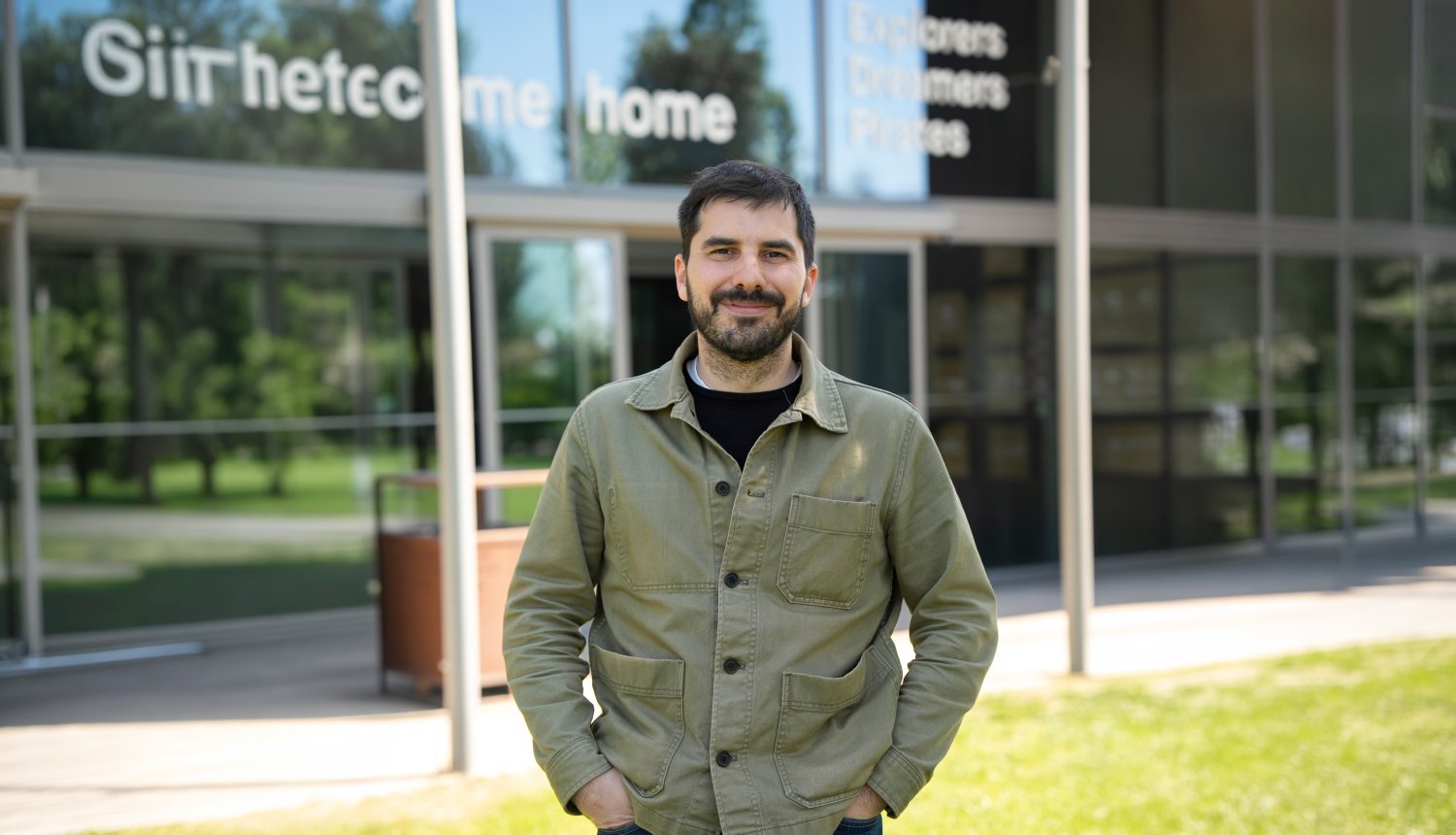
To understand what the IB Diploma actually involves, and what it takes to thrive within it, we sat down with Mr. David Coppard, Head of DP and DP Coordinator at H-FARM International School Vicenza.
Mr. Coppard has been part of the IB world since 2009, and has spent over a decade contributing to the development and evaluation of IB programmes internationally as a member of the IB Educator Network. Since joining H-FARM, he has played a central role in shaping and growing the Diploma Programme — building a programme that combines academic rigour with a genuine focus on student development.
The Interview
Many parents wonder how the IB Diploma compares to the Italian “Maturità”. How is it recognised, both in Italy and internationally?
That’s often the first question families ask.
The IB Diploma is fully recognised by the MIUR in Italy and is considered equivalent to the Italian Esame di Stato. IB graduates can access Italian universities without any disadvantage and often with a smoother transition, thanks to their academic preparation.
Internationally, it’s recognised in over 100 countries and widely regarded as one of the strongest secondary school qualifications. Universities value the IB because it offers a consistent, externally assessed standard, which makes student performance clear and comparable worldwide.
For families considering international pathways, this global recognition is a major advantage.
The IB Diploma has a very specific structure. Why is it designed this way?
The programme was intentionally designed to educate the whole student, not just within individual subjects.
Alongside six academic subjects, students complete three core components: Theory of Knowledge, the Extended Essay, and Creativity, Activity, Service.
Together, these elements encourage students to think critically, understand how knowledge works across disciplines, and carry out independent research — while also staying engaged beyond the classroom.
There’s also a deliberate balance between subjects: sciences, humanities, languages and mathematics. The IB strongly believes that depth matters, but so does breadth.
The IB Diploma is often described as challenging. What makes it demanding, and what do students gain from that challenge?
It is demanding, mainly because of its consistency and expectations.
Students are managing internal assessments, external exams and long-term projects at the same time. There isn’t really an “easy path” through the programme, but that’s exactly where the value lies.
Students develop time management, resilience, self-discipline and independence. By the end, they are confident learners who know how to analyse complex material, write academically, meet deadlines and reflect on their own work.
Those are skills that go far beyond school.
In your experience, how well does the IB Diploma prepare students for university life?
Very well — and this is something we consistently hear from universities.
IB students arrive already familiar with academic writing, research, referencing and exam pressure. They are used to managing their time and engaging actively in their learning.
What really stands out is their mindset: they tend to think critically rather than memorise, and they are more comfortable navigating complex ideas.
This doesn’t just help them in their first year — it supports them throughout their university journey.
What kind of student thrives in the IB Diploma Programme?
Curiosity is probably the most important factor.
Students don’t need to be perfect or top of the class, but they do need to be motivated and open to being challenged.
Those who thrive are the ones who enjoy asking questions, making connections between subjects, and taking responsibility for their learning.
And importantly, many students develop these qualities during the programme; they don’t need to arrive with them already fully formed.
You’ve been part of H-FARM since the early development of the High School. How have you seen the Diploma Programme evolve over the years?
The school has grown a lot, but it has stayed true to its original vision: combining innovation with strong educational values.
Over time, we’ve strengthened academic rigour, expanded student support and built a teaching team with deep IB experience.
What has changed the most, though, is the confidence of our students.
Today, our graduates leave not only with strong results, but with a clear sense of who they are and what they want to do next. The Diploma Programme plays a central role in that — and you can see it in the paths our students go on to take.



 Back
Back

