Sharing the Planet: When Children Become Global Citizens
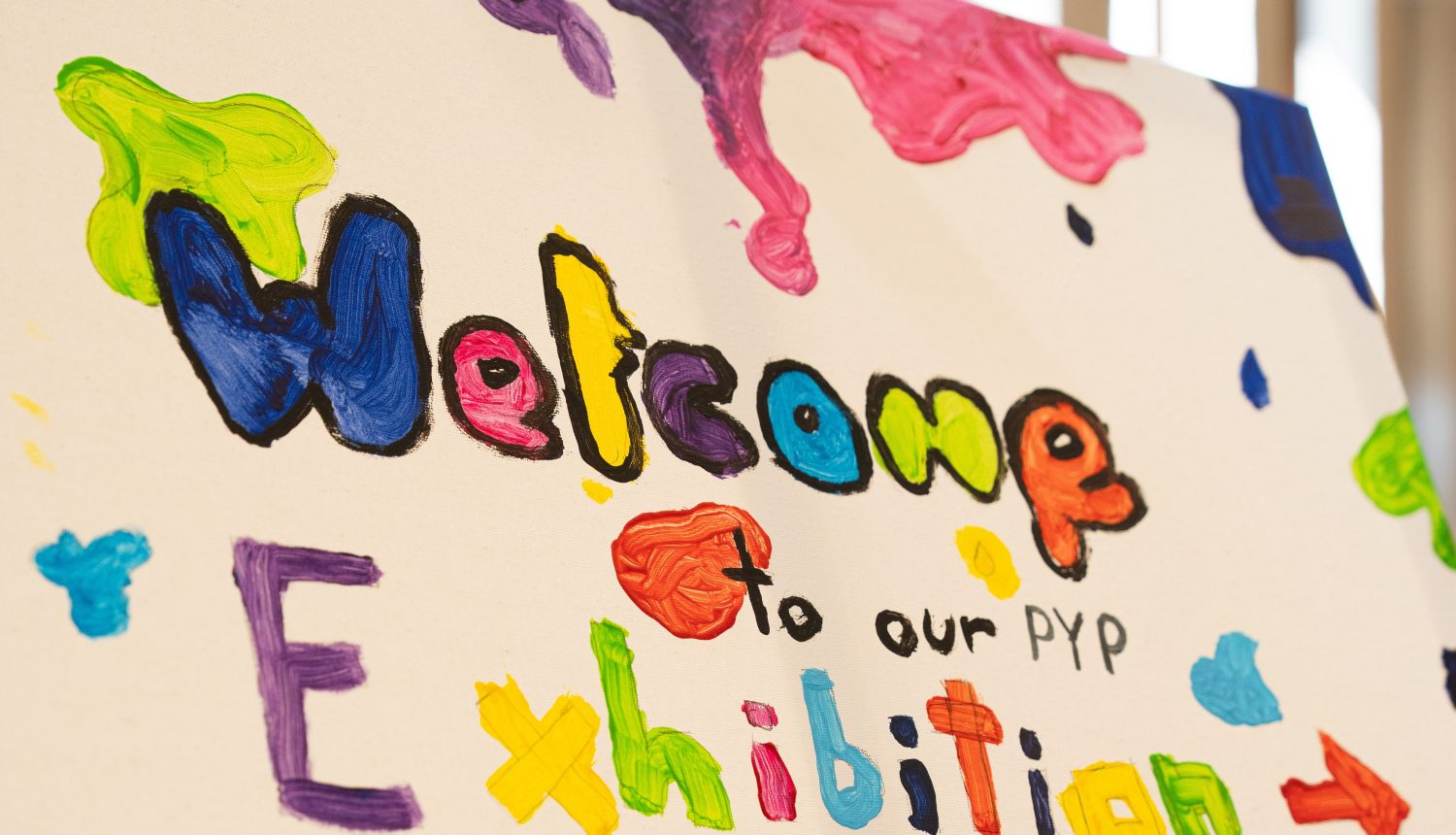
For months, they asked questions. They searched for answers. They changed their minds, came up with new ideas, and ultimately decided to take action. Last week, at our Vicenza campus, PYP5 students presented the culmination of this journey: the PYP Exhibition, the culminating experience of the Primary Years Programme, where each child shares with their community what they have learned — and who they have become.
This year’s theme was Sharing the Planet: one of the six transdisciplinary themes of the PYP, dedicated to the relationships between people, resources, and the environment we all share. It is a vast theme, which students succeeded in making personal, tangible, and urgent.
Five Groups, Five Perspectives on the World
Students worked in five groups, each focused on a different issue connected to the theme. Five distinct perspectives, united by the same fundamental question: what does it really mean to share the planet?
Technology and the Future. The first group explored the ways in which technology and humanity influence one another. Along the way, this led students to engage deeply with artificial intelligence and its many implications.
Climate Change. A topic that returns year after year because it lies at the heart of one of the key questions the PYP asks students: how are we influencing our home, and how, in turn, is it influencing us?
Animal Rights. Sharing the planet also means sharing it with other species. This group investigated how we relate to animals — from pets to wildlife — exploring topics that are not always immediately visible, such as animal testing, intensive farming, and poaching.
International Conflicts. Sharing the planet means grappling with finite resources, and therefore with the conflicts that can arise from them. Students examined how and why wars begin, how they unfold, and the impact they have on the communities that experience them.
Plants. The final group became fascinated by the plant world: how plants grow, evolve, the many ways they can be used, and the remarkable resilience they demonstrate in the face of deforestation, extreme climates, and environmental change.
A Journey That Evolves Along the Way
Each group arrived at the Exhibition by following its own path. “Some students came in with very clear ideas,” explains Mr Andrea Meneghello, PYP5 homeroom teacher and coordinator of the unit. “Others had only vague intuitions that gradually took shape through our lines of inquiry. And others still completely changed perspective once they began their research.”
The group focusing on international conflicts, for example, remained committed to its original direction. The technology group gradually shifted its focus toward artificial intelligence, uncovering its many ramifications. Meanwhile, the animal rights group needed support in discovering underlying issues that are not immediately apparent but fundamentally change the way we view the relationship between humans and other species.
Throughout this process, something important happened: the children began taking ownership of their work. “Some groups independently organised interviews with experts, designed their presentation boards on their own, and started researching before I could even join them,” says Mr Meneghello. “My role was to challenge them to dig deeper, but the initial drive came entirely from them. And their enthusiasm was unmistakable.”


From Research to Action
One of the elements that makes the PYP Exhibition different from a traditional final presentation is its action component: the transition from reflection to meaningful action. This year, many groups went beyond a single initiative, choosing instead to undertake several complementary actions.
The technology group, for example, visited every other PYP class to deliver online safety tutorials, while also launching a collection drive for electronic devices to be recycled. The animal rights group organised a vegetarian lunch day, raised funds for an animal welfare organisation, and delivered presentations to other classes on the topic of animal wellbeing.
“This multi-faceted approach,” comments Mr Meneghello, “shows that the action component of the curriculum is not only well understood by the children, but also perceived by them as genuinely important.”
Voice, Choice, Ownership
Looking at the Exhibition as a whole, what stands out goes beyond the individual topics. Ms Asli Celik, PYP Coordinator, summarises it this way: “The true outcome of this process is seeing how students have further developed their agency: taking responsibility for their own learning, having a voice and making choices, and demonstrating how they have cultivated — throughout their entire PYP journey — their communication, collaboration, research, critical thinking, and organisational skills.”
Ultimately, these are the competencies the school hopes to leave its students with: not ready-made answers, but the tools to build them.
What Remains
“I hope these students leave the Exhibition with the understanding that any topic can become incredibly complex when viewed from multiple perspectives,” reflects Mr Meneghello. “And I hope they realise that their task is to think within that complexity and form their own opinions, rather than searching for ready-made, easily googleable answers.”
What the children take with them, therefore, is not simply a completed project. It is a way of looking at the world. And thanks to their commitment to action, it is something that remains with the school community as well: a deeper, more shared understanding of issues that affect all of us.
The PYP Exhibition is a milestone. But above all, it is a starting point.



 Back
Back

