The Map We’re Drawing Together, a though on AI by our Head of School
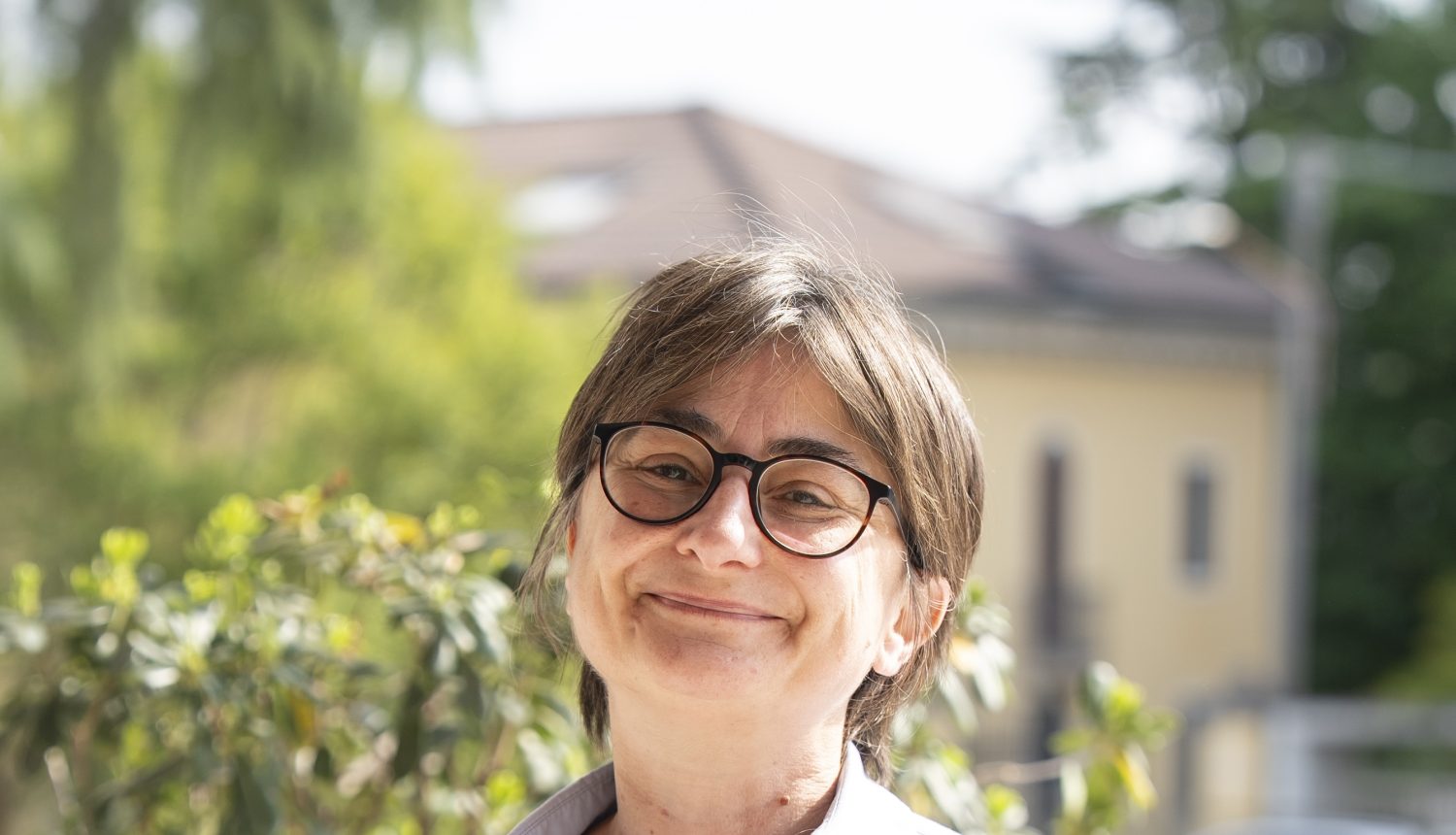
Artificial intelligence is changing everything, including the way we think about education. Inspired by Nord Anglia Education’s campaign Skills AI Can’t Match, Ms Alessandra Chiovati, Head of H-FARM International School Vicenza, shares her perspective on what it truly means to prepare young people for an uncertain future, and why the most powerful tools we can give them have nothing to do with technology.
There is a question I find myself returning to more and more often lately: what does it mean to educate young people in a world that is changing faster than we can fully understand?
Artificial intelligence is reshaping how we work, how we communicate, how we create. And the honest truth is that none of us, not parents, not educators, not even the experts, have all the answers yet. We are navigating genuinely new territory, without reliable maps, and with a real responsibility: the young people in our care are watching how we handle that uncertainty.
That is not a comfortable place to be. But I think it might be exactly the right place to start.
Because if we want our students to approach complexity with curiosity rather than fear, to think critically before they react, to hold open questions without rushing to easy answers, then we have to model that ourselves. We have to be willing to say: we don’t know everything about where this is going. But we know how to think well about it, together.
This is what our IB Continuum approach is built for. At H-FARM International School Vicenza, we have always believed that education is not about delivering certainty, but about building the capacity to navigate uncertainty well. Inquiry-based learning, structured thinking routines, meaningful collaboration, these are not responses to a specific moment in technology. They are the foundation of an education that was designed precisely for a world in flux.
When a student pauses before responding, when they ask why rather than just what, when they consider a different perspective before forming a conclusion, they are practising something that no algorithm can replicate: genuine human judgement.
Thinking routines like “See, Think, Wonder” are small but powerful examples of this in action. A student looking at a complex image, a historical photograph, a piece of data, a news headline, learns to slow down, to separate observation from interpretation, to ask questions that open up thinking rather than close it down. Over time, these habits become instincts.
We are not trying to make our students certain in an uncertain world. We are trying to make them capable, confident, and compassionate in it. That is a goal I believe in deeply, and one that I think this school, this community, is genuinely well placed to pursue.
I look forward to continuing this journey with you.
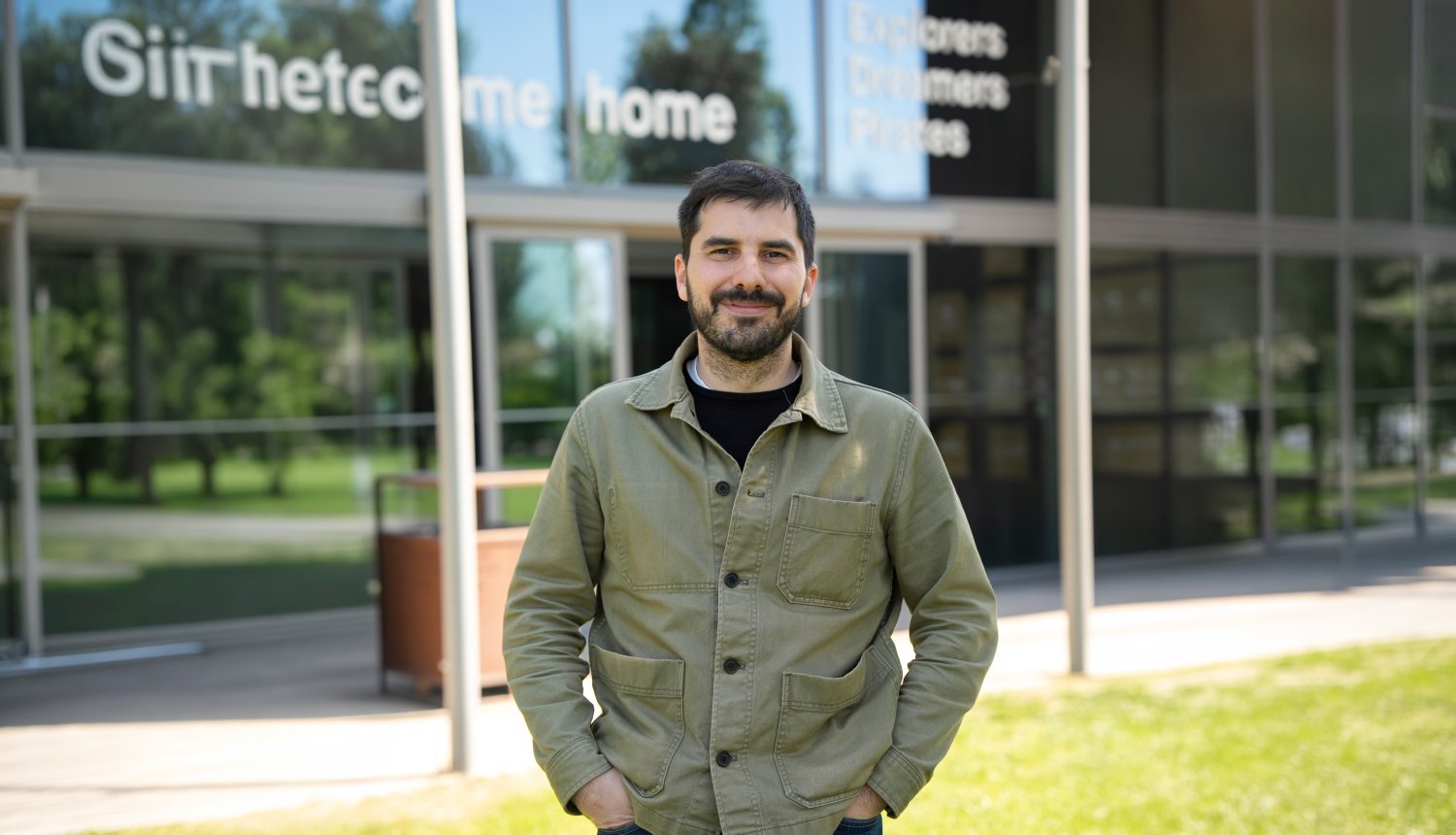
Ms Alessandra Chiovati – Head of School



 Back
Back

