First, Imagine a Planet: How AI Starts with Human Ideas, with Mr Davide Gusatto
At H-FARM International School Vicenza, we believe the most meaningful use of technology starts with imagination. As part of the broader conversation inspired by Nord Anglia Education‘s campaign Skills AI Can’t Match, this article is one of a series of reflections exploring how our school approaches artificial intelligence in the classroom. PYP Digital Design Teacher Mr Davide Gusatto takes us behind the scenes of a cross-curricular project that challenged students to imagine entire worlds, write about them, and then use AI as a tool to bring those worlds to life online. Before diving into his words, take a moment to watch the video below, filmed by Mr Gusatto himself to document the project as it unfolded.
AI Starts with Human Ideas
Artificial Intelligence is everywhere. It writes, generates images, answers questions, and is rapidly becoming part of the tools we use every day. Because of this, one of our responsibilities as educators is not simply to teach students about AI, but to help them understand how to use it thoughtfully, critically, and creatively.
At H-FARM International School Vicenza, we approach AI in the same way we approach any other technology introduced throughout our Digital Design curriculum: as a tool. From the earliest years of the PYP through to the MYP, students encounter technology not as an end goal, but as a means of solving problems, exploring ideas, and creating meaningful projects.
Whether students are programming a robot, designing a 3D model, developing a website, or creating a digital prototype, the starting point is always human creativity. AI becomes one of the many tools available to support that process, alongside coding, robotics, digital fabrication, electronics, and design thinking.
As students progress through the curriculum, their understanding of AI evolves. In the Primary Years Programme, students learn how to interact with AI systems, write effective prompts, evaluate generated content, and understand the importance of human input in achieving meaningful outcomes.
In the Middle Years Programme, AI becomes increasingly connected to design, engineering, and robotics. Students explore how intelligent systems can support problem-solving, data analysis, automation, and decision-making processes. Rather than viewing AI as something separate from technology, they begin to understand it as one component within larger systems that combine programming, sensors, electronics, and robotics to solve real-world challenges.
Throughout this journey, we encourage students to see AI not as a machine that provides answers, but as a partner in the creative and design process. The quality of what AI produces depends on the quality of the thinking behind it. A good result requires imagination, clear communication, critical thinking, and the ability to refine and improve ideas. These are all skills that technology cannot replace.
Bringing Ideas to Life: From Storytelling to Digital Creation
The project began long before students opened an AI tool.
Working alongside Ms. Francesca Rigon during Italian lessons, students were challenged to create an entirely original planet. Through writing and storytelling, they developed detailed worlds complete with environments, ecosystems, cultures, inhabitants, and unique characteristics. What started as a creative writing activity gradually evolved into a rich exercise in imagination, communication, and world-building.
As their planets became more detailed, students began asking themselves an important question: How could they share their worlds with others?
This is where artificial intelligence entered the process.
Rather than using AI to generate ideas, students used it to support the development of a final product. They learned how to transform their written descriptions into effective prompts, creating visual assets that could help communicate the identity of their planets. More importantly, they discovered how AI could assist them in turning a collection of ideas into a complete digital experience.
Using the content they had created, students then designed and built their own websites. They explored how information should be organised, how users would navigate between pages, what visual elements would best support their websites, and how to create an engaging online experience. AI became one of several tools available throughout this process, helping students develop content, refine ideas, and accelerate parts of the design workflow.
What emerged was much more than a technology project. It was a journey that connected literacy, creativity, digital design, and technology. Students moved from imagination to writing, from writing to visualisation, and from visualisation to the creation of a fully functioning website.
Perhaps the most important lesson was that every stage of the project began with human thinking. The planets were imagined by the students. The stories were written by the students. The design decisions were made by the students. AI simply acted as a tool that helped transform those ideas into something larger and more tangible.
This is how we aim to integrate artificial intelligence into learning: not as a substitute for creativity, but as a resource that empowers students to bring their own ideas to life, communicate them more effectively, and create things that would otherwise be difficult to achieve on their own.
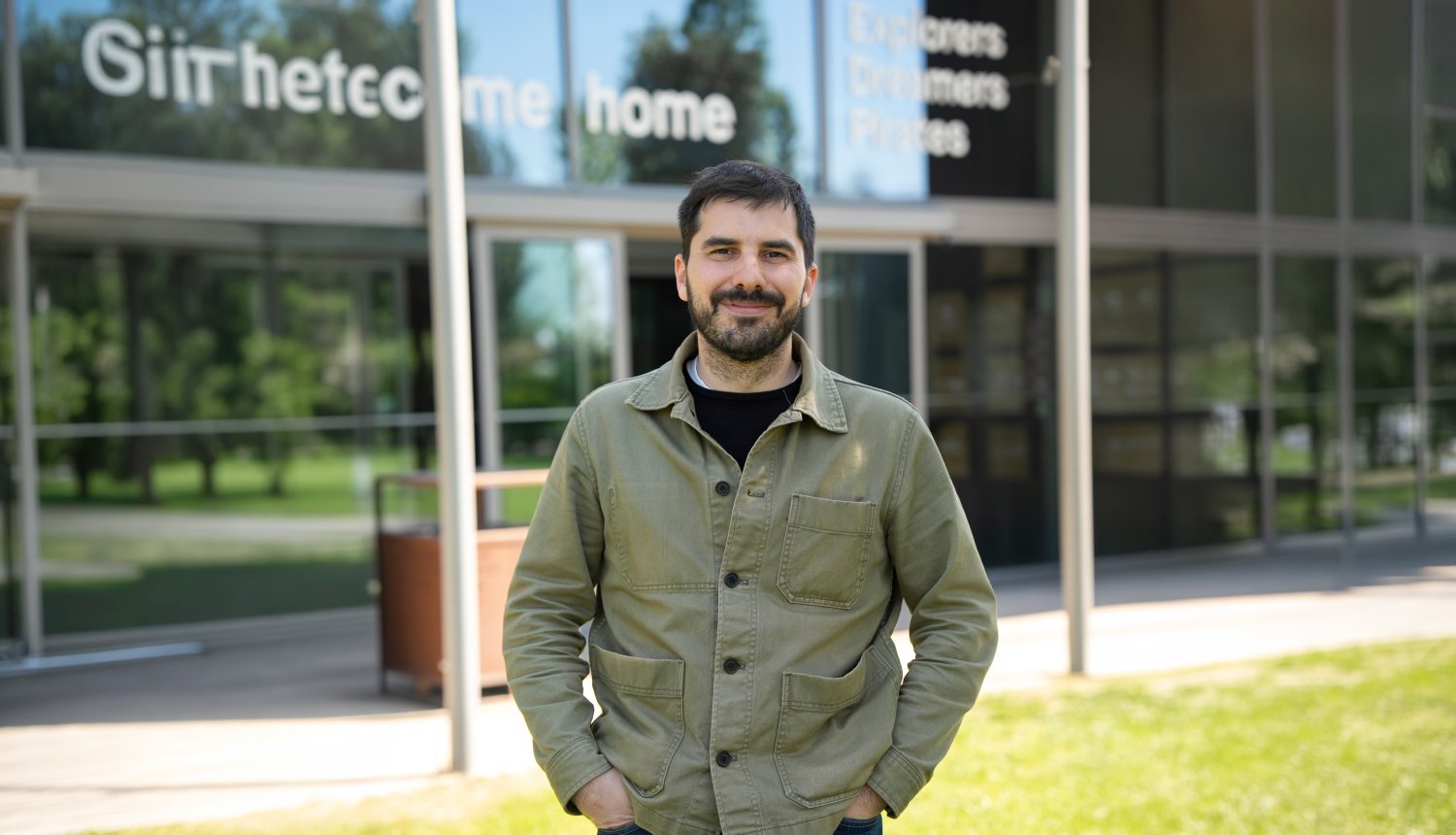
Davide Gusatto – PYP Digital Design Teacher
H-FARM International School Vicenza



 Back
Back

