From fishing nets to the lab: when science becomes a hands-on experience of sustainability
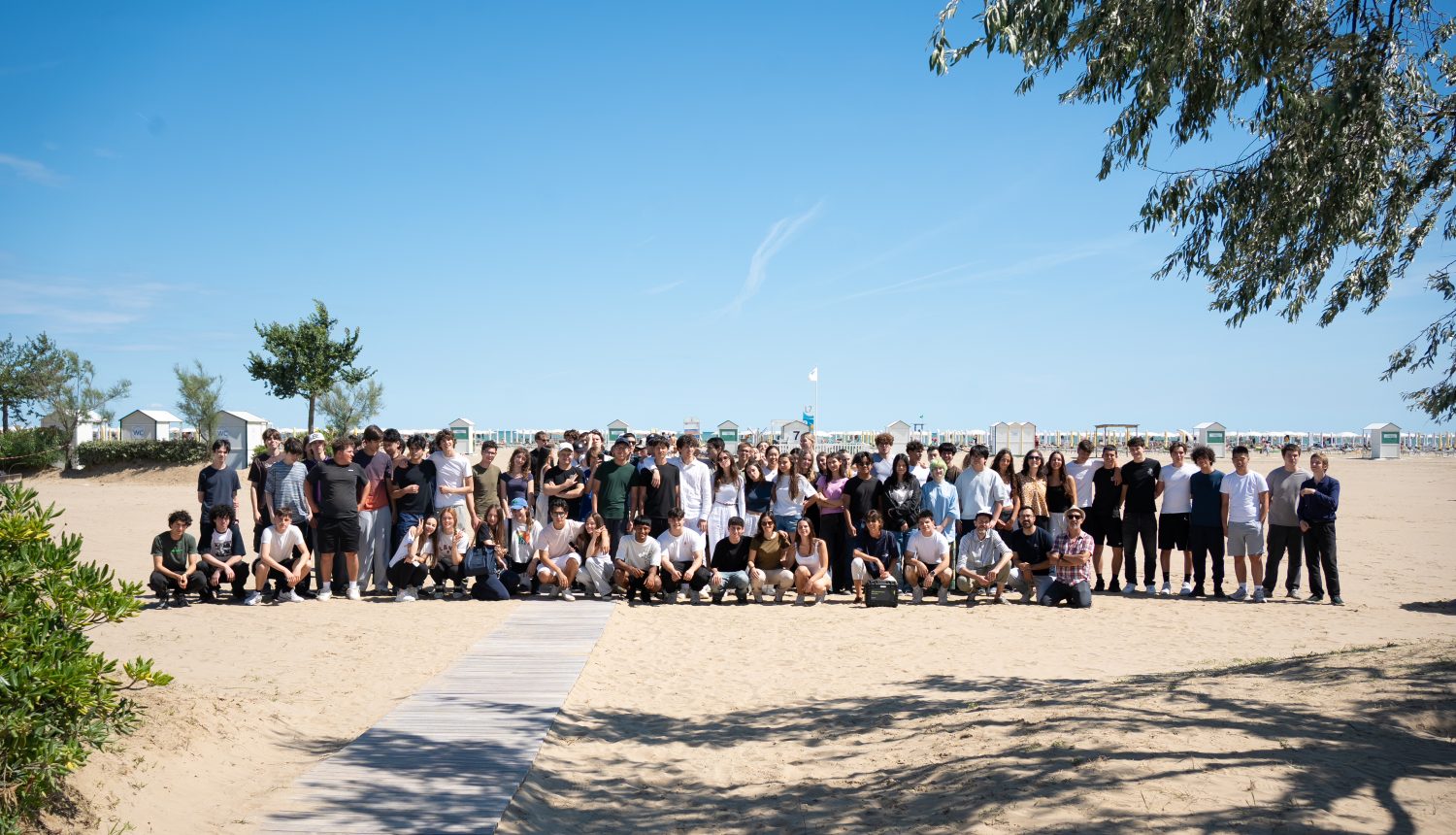
H-FARM International School’s Collaborative Science Project takes DP1 students to Caorle
In partnership with Biodesign Foundation, Diploma Programme students at H-FARM International School are working in multidisciplinary teams on marine pollution. Field day in Caorle on Friday, 12 June; final presentation on Thursday, 18 June, at the Venice campus.
What does it mean to do science, today, in an IB World School? For DP1 students at H-FARM International School it means leaving the classroom, travelling to Caorle, collecting abandoned fishing nets along the coast and turning them into the subject of scientific enquiry. This is the heart of the Collaborative Science Project, a recurring experience within the Diploma Programme (IB) that each year places science students in front of a real-world problem, to be addressed in heterogeneous teams.
This year the project is run in partnership with Biodesign Foundation, a non-profit organisation working on environmental sustainability, material circularity and biodesign. In previous years, the Collaborative Science Project has been developed alongside other significant partners from the environmental and research worlds, a consistent choice for the school: bringing high-level external voices into the classroom, capable of confronting students with authentic questions.
Why Caorle
The choice of location is not accidental. Caorle is a community historically tied to fishing and, like much of the Upper Adriatic, lives with a widespread and persistent problem: the abandonment and dispersion of fishing nets, today one of the most critical components of marine pollution in terms of durability and ecosystem impact. Studying the issue from Caorle also means listening to those who live with that sea every day, and who have long been looking for an answer to the same problem.
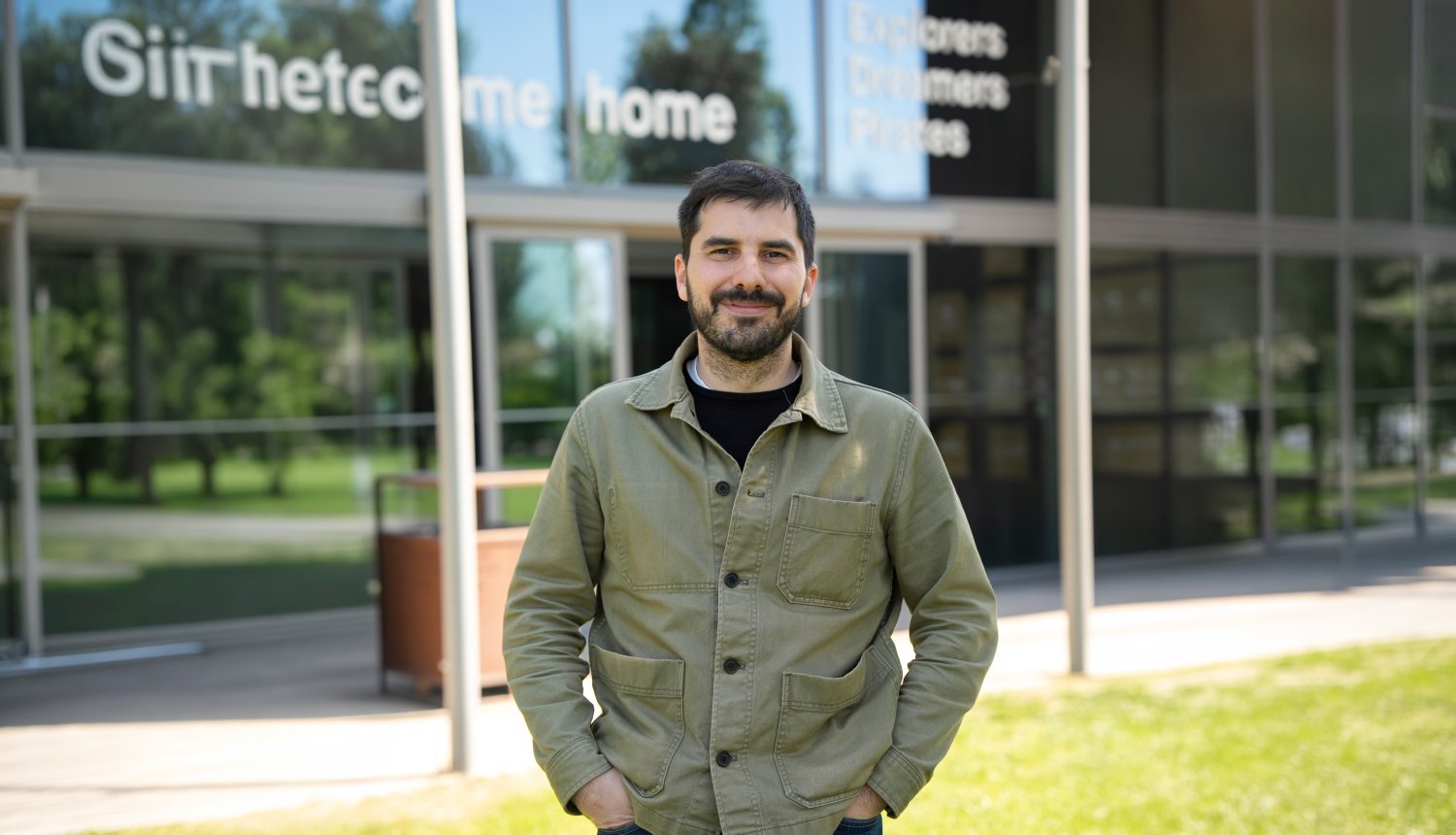
“For us, at school, science is two things at the same time: theoretical study and field application. Theory has to be verified, validated, tested against reality, and it works even better when we can anchor it to a topic close to students’ own interests, or to a current issue they care about,” explains Vincenzo La Franca Pitarresi, Head of the Science Department at H-FARM International School. “This is how the scientific method is genuinely learned: not as an abstract procedure, but as the tool we use to understand something that matters to us.”


Il percorso degli studenti
Il progetto si articola in tre fasi.
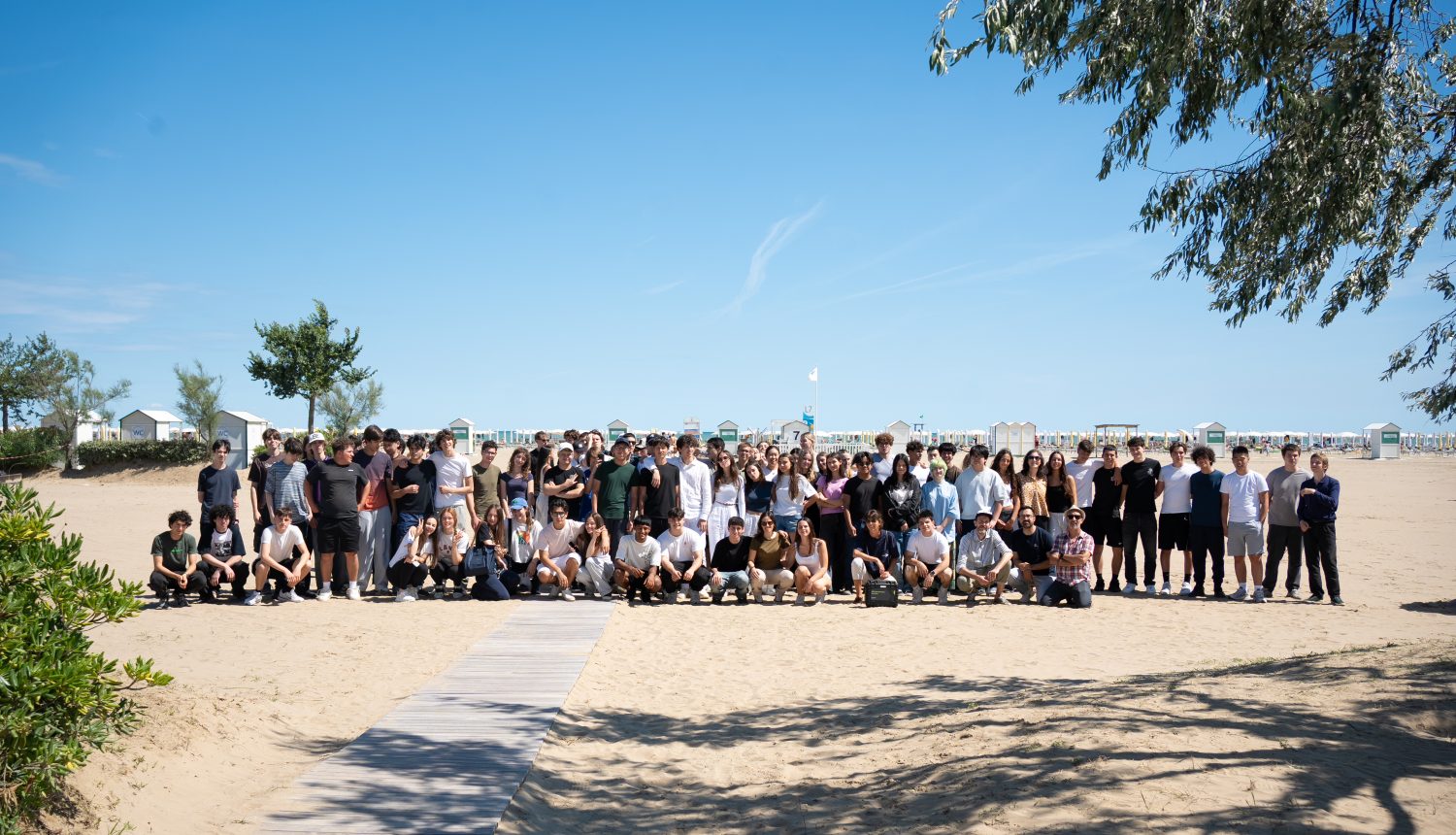
Azione sul campo. Venerdì 12 giugno tutti i 129 studenti del DP1 trascorreranno l’intera giornata a Caorle, insieme ai docenti del Dipartimento di Scienze e ai responsabili di Biodesign Foundation. Sul posto incontreranno i pescatori della comunità, che racconteranno il proprio mestiere, il rapporto con il mare e l’evoluzione del problema delle reti dismesse. Dopo l’ascolto, i ragazzi parteciperanno direttamente al clean-up della costa, raccogliendo i materiali che diventeranno oggetto delle analisi di laboratorio.
Indagine scientifica. Rientrati a scuola, gli studenti separano le reti per tipo di materiale di partenza e conducono analisi chimico-fisiche per caratterizzarne la composizione.
Sintesi e proposta. Lavorando in gruppi eterogenei, con uno studente di chimica, uno di biologia, uno di fisica, uno di computer science, uno di design ed uno di environmental systems and societies, i ragazzi costruiscono una presentazione finale che integra dati, interpretazione e proposte progettuali.
L’impianto multidisciplinare è il vero baricentro dell’esperienza. Nessun problema ambientale reale appartiene a una sola disciplina, e l’IB Diploma chiede agli studenti di muoversi con disinvoltura tra metodi, linguaggi e prospettive diverse. Il chimico capisce di cosa sono fatte le reti, il biologo legge l’impatto sull’ecosistema, il fisico misura, l’informatico struttura i dati, il designer immagina cosa quei materiali possono diventare. Nessuna delle cinque voci, da sola, basta.
The student journey
The project unfolds in three phases.
Fieldwork. On Friday, 12 June, all 129 DP1 students will spend the full day in Caorle, together with the Science Department teachers and the team from Biodesign Foundation. On site they will meet local fishermen, who will share their trade, their relationship with the sea and the evolution of the discarded-nets issue. After listening to these voices, students will take part directly in the coastal clean-up, gathering the materials that will become the subject of laboratory analysis.
Scientific investigation. Back at school, students sort the nets by source material and run chemical and physical analyses to characterise their composition.
Synthesis and proposal. Working in heterogeneous groups: one chemistry student, one biology student, one physics student, one computer science student, one design student and one environmental systems and societies student per team, they build a final presentation that brings together data, interpretation and design proposals.
The multidisciplinary structure is the real centre of gravity of the experience. No real environmental problem belongs to a single discipline, and the IB Diploma asks students to move comfortably across methods, languages and perspectives. The chemist understands what the nets are made of; the biologist reads the impact on the ecosystem; the physicist measures; the computer scientist structures the data; the designer imagines what those materials can become. None of the five voices, on its own, is enough.
The final presentation
Team proposals will be presented on Thursday, 18 June, from 8.45 to 12.10, at the Venice campus of H-FARM International School, in front of an external jury of experts who will assess scientific rigour, quality of analysis and originality of the proposed solution.
Projects like the Collaborative Science Project show, in concrete terms, what it means to study science at H-FARM International School: using the rigour of the laboratory to read one’s own territory and to contribute, as students, to a conversation that concerns us all.





 Back
Back

