Global challenges on a local scale: inside the DP1 class of 2027 Collaborative Science Project
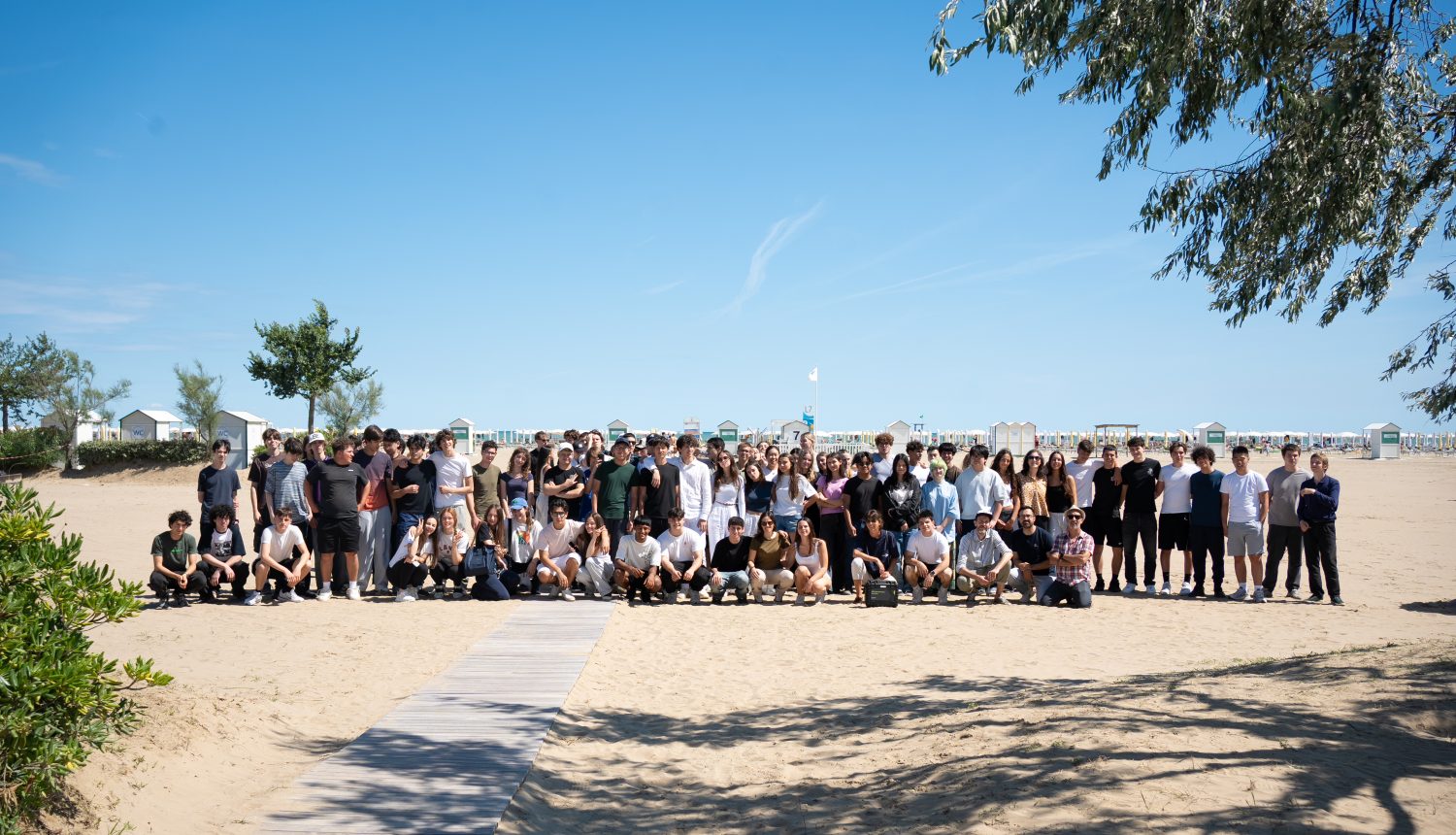
Mr Vincenzo La Franca Pitarresi, Head of Science, takes students into the field to tackle environmental challenges first-hand
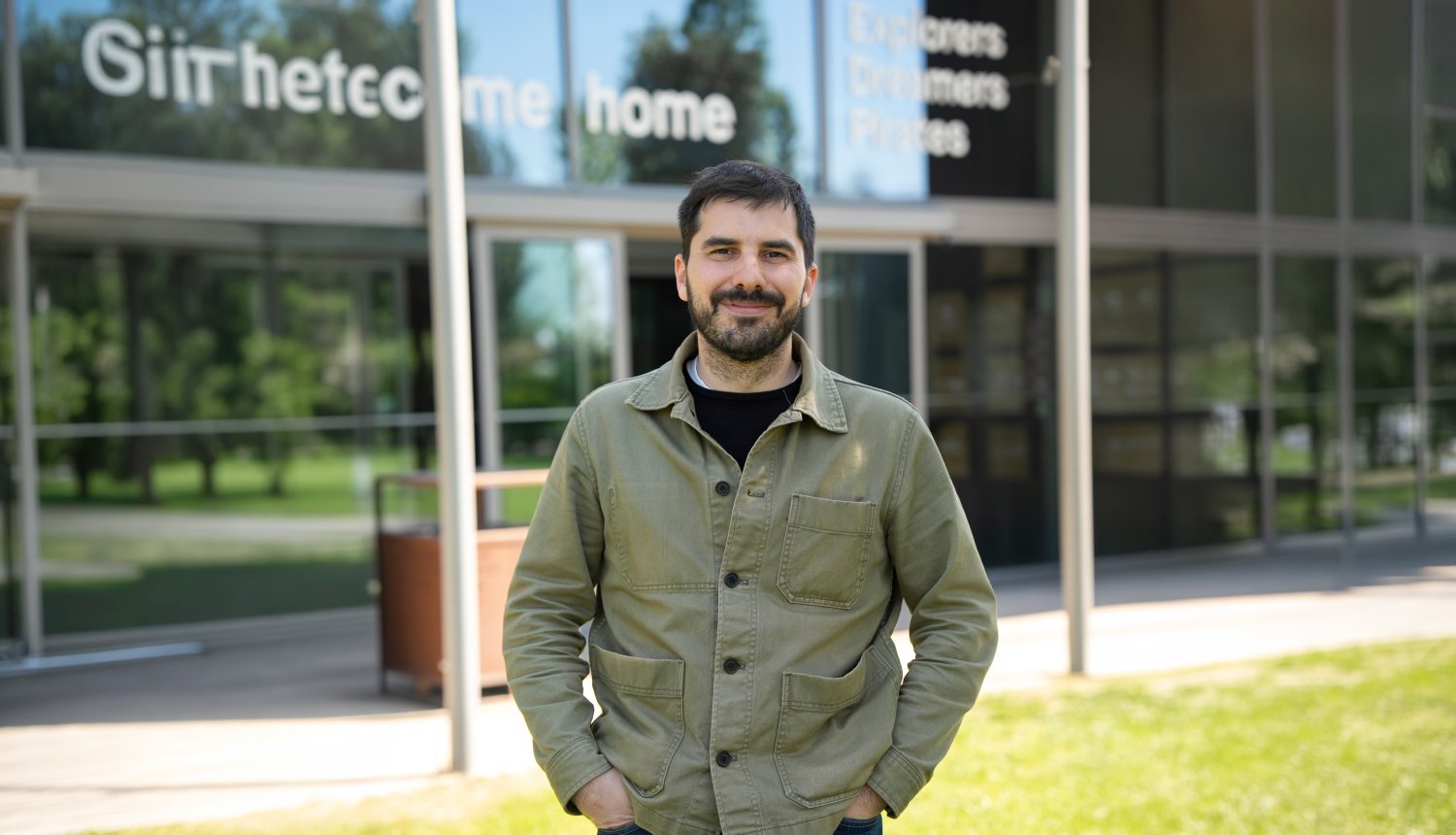
“Our responsibility as a school goes far beyond simply passing on academic knowledge. We are committed to preparing our students to face the future, giving them the tools to do extraordinary things.” With these words, our science teacher Mr Vincenzo La Franca Pitarresi introduces a project that combines the development of technical skills with a growing awareness of global crises linked to pollution.
Every year, he invites the DP1 class to take part in a Collaborative Science Project that brings a global issue into a local context, making it immediately more tangible for students. The project unfolds over two days of open-air fieldwork, during which students put their skills in analysis, research and design to the test. Working together in the field, they also build essential soft skills such as critical thinking, teamwork and problem solving. The shared goal is to propose practical solutions to the question that sparked the whole activity: how can we guide the development of sustainable strategies, such as recycling and upcycling, to promote circular economy models?
To answer this question, students partnered with the NGO BioDesign Foundation, supported by the Vox Maris initiative, to tackle the environmental challenge of “ghost fishing” along the coast of Caorle. More and more fishing gear is being abandoned, lost or discarded at sea, turning the seabed into a landfill. As these materials steadily degrade and break apart, they settle on the seafloor and release vast quantities of toxic particles, leading to the death of many marine species.
“This experiential journey was designed to set off a chain reaction: a project that becomes a moment of reflection, which grows into awareness and ultimately leads to genuine personal growth through collaboration and a shared vision. We want to inspire a generation capable of turning problems into solutions,” says Mr Vincenzo La Franca Pitarresi.
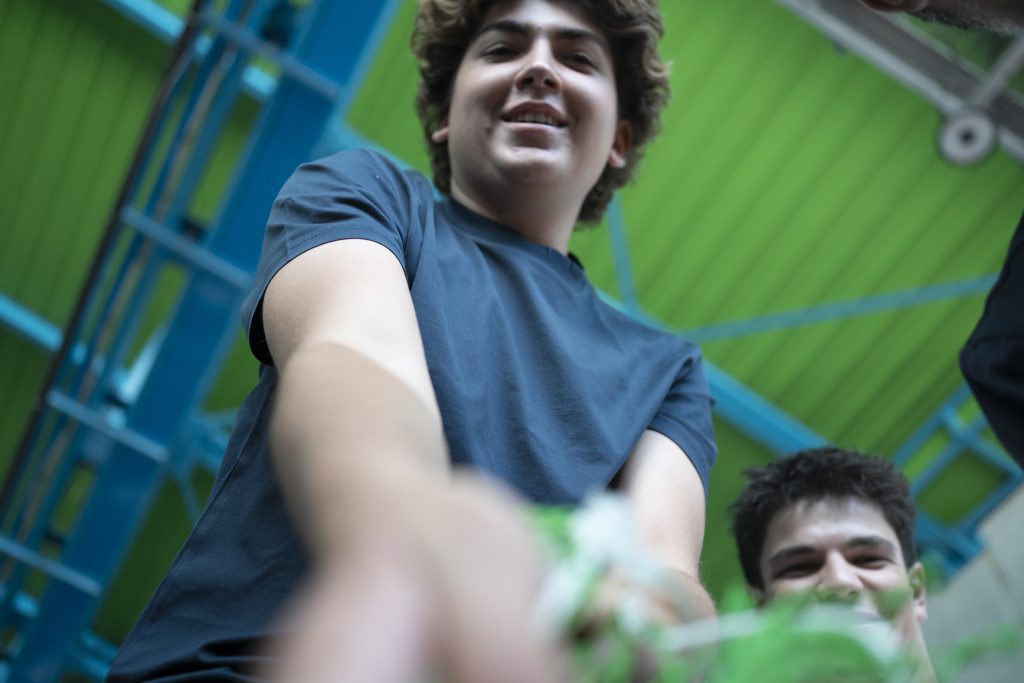
THE PROJECT: Who, How and Why
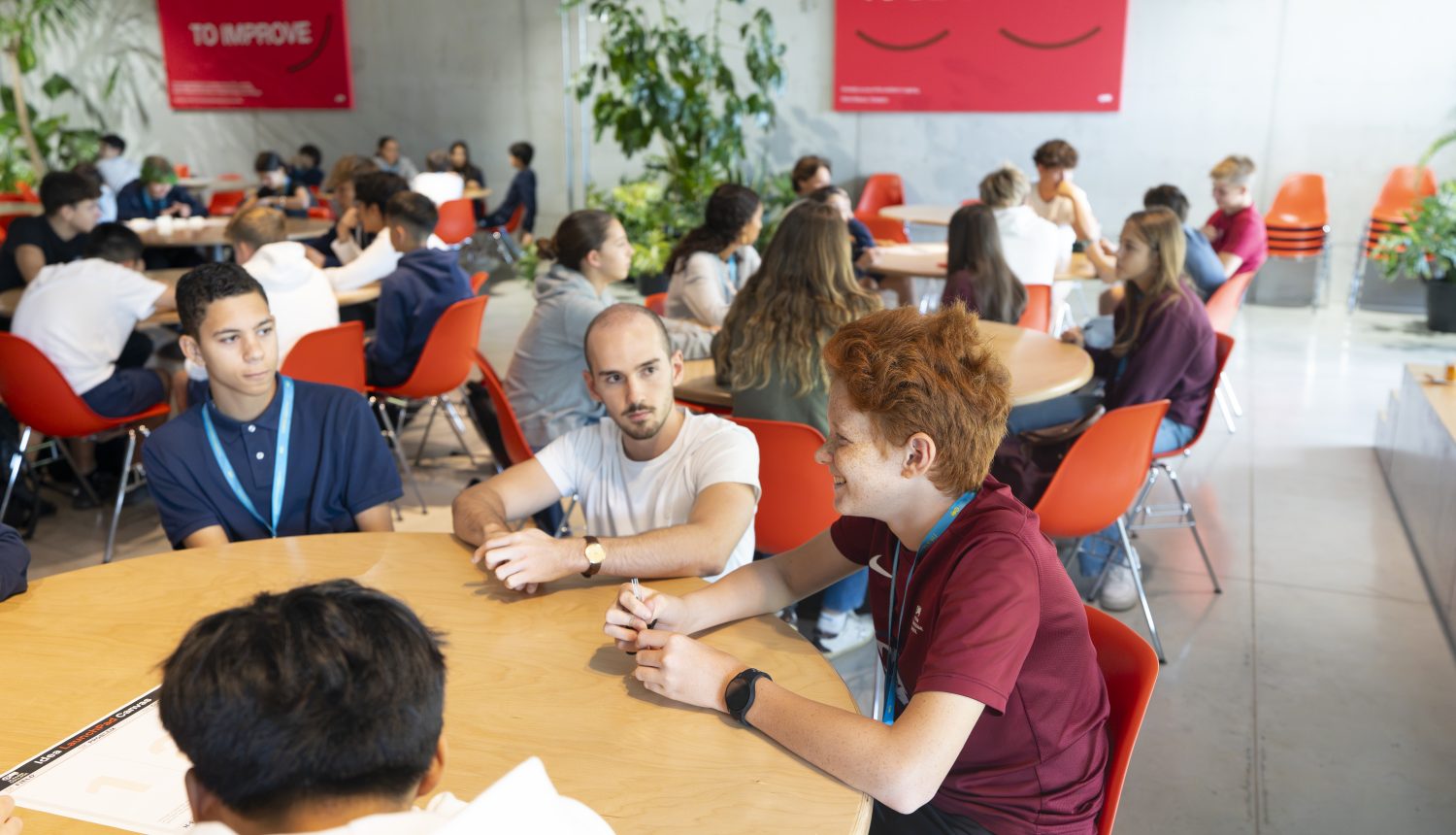
On the first day, students worked in teams, combining the methodologies of several disciplines to collect data and materials. The biology, chemistry, physics and Environmental Systems and Societies groups collected and analysed water samples, assessed the health of macroinvertebrates and identified polymers in order to evaluate environmental degradation. Meanwhile, the computer science students developed data traceability systems, and the Design and Technology group designed and prototyped innovative solutions to give fishing nets and gear a second life, turning the awareness they had gained into concrete design.
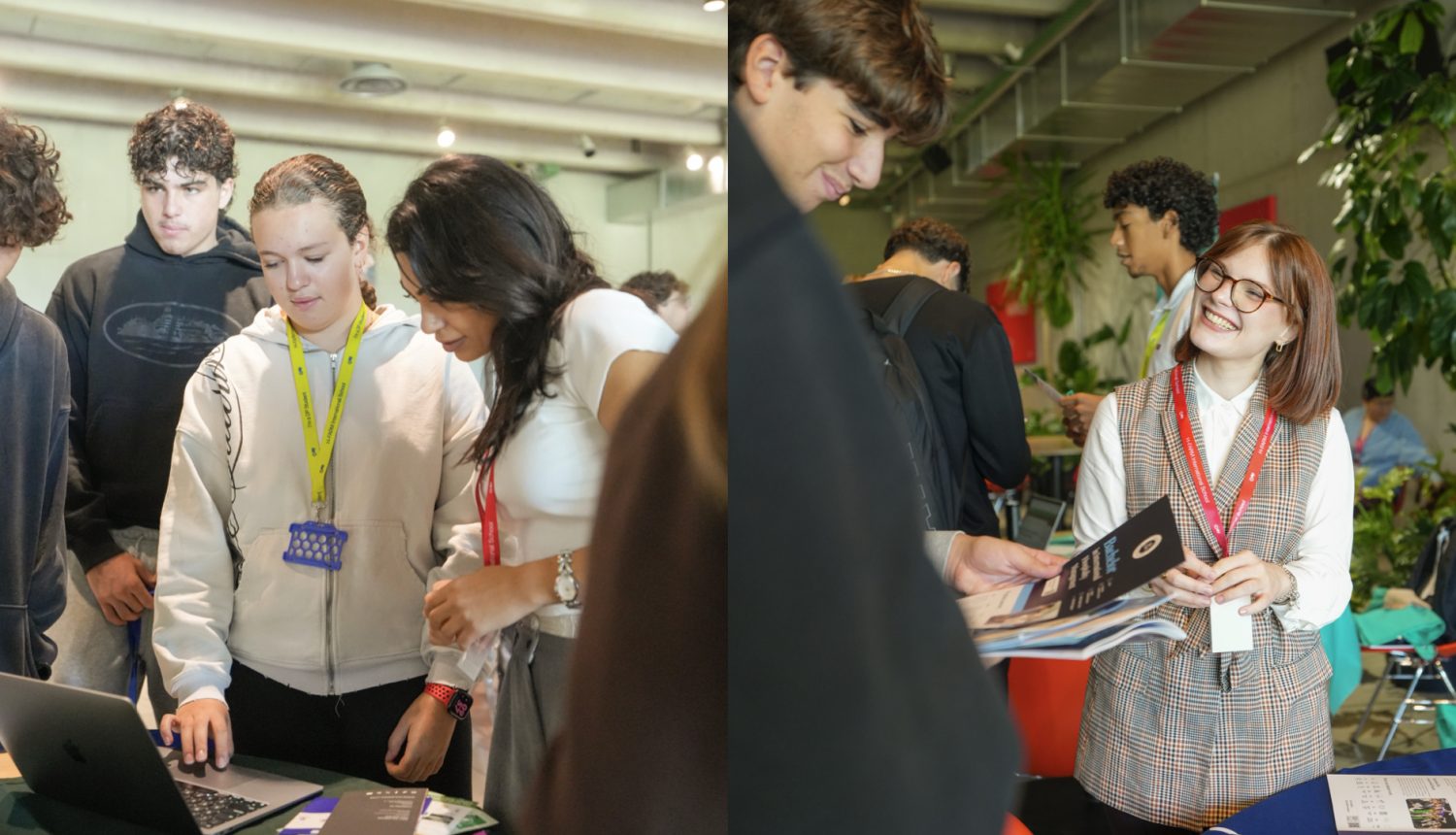
On the second day, the focus shifted to synthesis, communication and the professional presentation of the projects, giving the young students the opportunity to grasp the true weight and value of their research.
A prestigious panel of experts carefully observed and listened to each proposal, then offered valuable feedback based on its scientific rigour, data analysis, innovation and feasibility.
“One of the things I love most about my job is that moment when traditional roles fall away and the students end up teaching you things you could never have imagined, with surprises, perspectives and ideas that are completely unexpected and brilliant. In activities like this Collaborative Science Project, every project becomes an opportunity for 360-degree growth, one that encourages us to work actively to make tomorrow’s world a little better than we found it today,” concludes Mr La Franca Pitarresi.



 Back
Back

